
Shirataki Noodles Reimagined
Salads, Soups, Bowls, and More
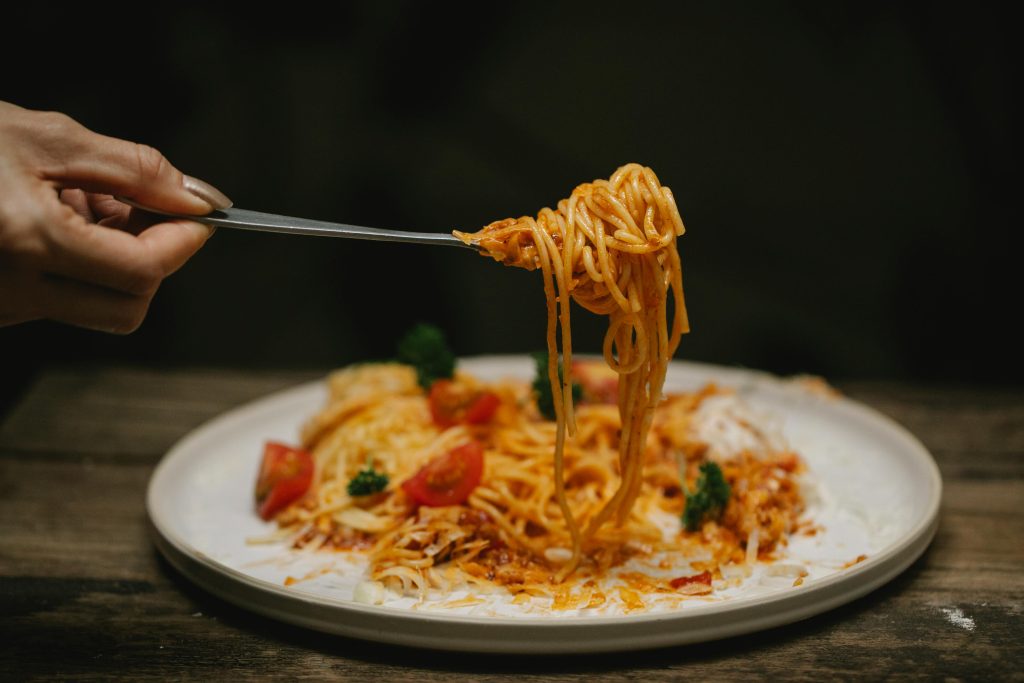
If you’ve ever rinsed a pouch of shirataki noodles and tossed them into a quick stir-fry, you already know why they’re a low carb staple: fast, filling, and incredibly versatile. But stir-fries are just the beginning. Today we’re going far beyond the wok with chilled noodle salads, comforting soups, meal-prep “ramen jars,” picnic-ready pasta salads, cozy bakes, sushi bowls, and even a dessert hack, using konjac-based shirataki noodles and rice.
Before we dive in, here are a few shopper favourites that we carry, and deliver straight to your door with free shipping over $99, to make weekly meal prep easy!
- nuPasta (Angel Hair, Spaghetti, Fettucini, and Risoni/rice-shape): each serving contains zero net carbs, is high in fibre, gluten-free, and ready to eat in minutes.
- LIVIVA Shitataki (with oat fibre in spaghetti and rice shape options, plus dried shirataki): low-carlorie, zero sugar, gluten-free, clean-ingredient option.
- Better Than Foods Shirataki (spaghetti, ramen, noodles, rice, sticky rice): low calorie, low-GI, and extra convenient shapes.
- Skinny Pasta Shirataki (noodles, spaghetti, fettuccine, rice): quick, convenient, very low in calories and zero sugar.
What Are Shirataki Noodles?
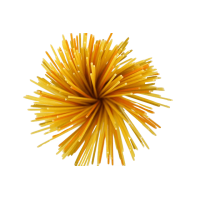
Shirataki noodles are made from the root of the konjac plant. They’re naturally low in calories, gluten-free, and very low in digestible carbs, which is why they’re popular with low carb and keto eaters. Many options provide zero net carbs per serving and are ready in minutes.
The Three Step Prep (For Perfect Texture)
- Drain and rinse in cold water for 30–60 seconds.
- Blanch/heat briefly (30–120 seconds in simmering water or a hot pan) to neutralize the pack liquid and improve bite.
- Dry-fry 1–2 minutes in a bare skillet to steam off extra moisture, then sauce.
- Shirataki noodles are neutral in flavour and take on whatever you dress them with. Make sure not to overcook.
Shapes to Keep on Hand for Easy Weeknight Meal Prep
- Long noodles (spaghetti, angel hair, ramen, generic “noodles”) for Italian, Asian, and fusion dishes.
- Flat cuts (fettuccine) for creamy sauces or “pho”-style soups.
- Rice shape (aka risoni or “miracle rice”) for pilafs, bowls, sushi bowls, casseroles, and desserts.
Cold And Room-Temperature Dishes
- Chilled “Soba” Style Sesame-Ginger Noodles
Best with: nuPasta Spaghetti or Skinny Pasta Noodles.
How to: Prepare noodles (rinse, blanch, dry-fry). Toss warm noodles with a dressing of tamari or coconut aminos, rice vinegar, grated ginger, a touch of toasted sesame oil, lime juice, minced garlic, and chili flakes. Chill for 30 minutes so they soak up flavour. Add sliced cucumbers, shredded cabbage, green onion, toasted sesame seeds, and rotisserie chicken or baked tofu.
Why it works: Shirataki’s springy bite and sesame-ginger dressing tastes just like a chilled soba salad, without the extra carbs.
- Vietnamese-Inspired Bún Bowls (Herby Noodle Salad)
Best with: LIVIVA Shirataki Noodles.
How to: Pile chilled noodles into bowls with a mountain of herbs (mint, cilantro, Thai basil), quick-pickled carrot & daikon (or carrot & cucumber), crisp lettuce, and your protein (grilled shrimp, lemongrass chicken, or baked tofu). Drizzle with a tangy nuoc-cham-style sauce (lime juice, fish sauce or tamari, sweetener, water, garlic, chili). Add crushed peanuts.
Pro tip: Cut noodles with scissors for easier eating.
- Italian Deli-Style Pasta Salad… Without the Pasta
Best with: nuPasta Risoni (rice-shaped shirataki).
How to: After prep, chill the risoni and toss with chopped salami or pepperoni, cubed mozzarella, grape tomatoes, black olives, pepperoncini, and a zesty red-wine vinaigrette. Finish with fresh basil and cracked pepper.
Why it works: The rice-shape stands in for orzo, soaking up the vinaigrette and deli flavours while keeping net carbs at a minimum.
- Mediterranean “Orzo” Bowls for Work Lunches
Best with: Any rice-shape shirataki.
How to: Meal-prep in containers: combine a base of rice-shape shirataki with roasted peppers and zucchini, cherry tomatoes, olives, arugula, chickpeas (optional), feta, and a lemon-herb vinaigrette. Eat cold or room temp.
Soups You’ll Make on Repeat
- “Ramen Jar” Lunches (Just Add Boiling Water)
Best with: Better Than Foods Ramen or Skinny Pasta Noodles.
How to: Layer in a wide-mouth heatproof jar: miso paste (or bouillon), a splash of tamari, chili crisp (optional), a nest of prepped shirataki, thinly sliced mushrooms, shredded cabbage, edamame, green onions, and cooked chicken or tofu. At lunch, add boiling water, cover 2–3 minutes, stir, and slurp.
Why it works: Shirataki noodles don’t get mushy and reheat beautifully, making them perfect for “instant noodle”-style meals, minus the carbs.
- Weeknight Chicken “Noodle” Soup
Best with: nuPasta Angel Hair or Spaghetti.
How to: Simmer chicken broth with carrot, celery, garlic, bay leaf, and thyme. Add shredded rotisserie chicken and prepped shirataki; simmer 2–3 minutes to marry flavours. Finish with parsley and a squeeze of lemon.
Why it works: Comforting, classic and ready in minutes thanks to shelf-stable, quick-prep noodles.
- Pho-Style Beef (or Mushroom) Soup
Best with: Flat shirataki like fettuccine (nuPasta Fettuccine or Better Than Noodles).
How to: In fragrant broth of your choice (add charred onion & ginger, star anise, cloves, cinnamon), add paper-thin beef slices or shiitakes and the prepared noodles. Serve with bean sprouts, Thai basil, lime, and jalapeños.
Pro tip: Keep noodles separate until serving to maintain the best texture, shirataki noodles heat through quickly.
Cozy Bakes and Oven Dishes
- Creamy “Alfredo” Bake
Best with: LIVIVA or Better Than Fettuccine.
How to: Toss hot, dry-fried noodles with a quick alfredo (butter, cream/cream cheese, parmesan, garlic), fold in steamed broccoli and shredded rotisserie chicken, top with more parmesan, and bake for 10–12 minutes, just before it begins to bubble.
Why it works: Flat cuts hold creamy sauces and bake without turning mushy.
- Lasagna-ish Skillet
Best with: Better Than Noodles or LIVIVA dried shirataki (noodle cut).
How to: In a skillet, brown Italian sausage, add marinara, dollops of ricotta, and a handful of mozzarella. Fold in prepped shirataki noodles and simmer a few minutes. Broil briefly to brown the cheese.
Why it works: You get lasagna flavours and gooey cheese pulls, without having to boil wheat pasta. LIVIVA’s dried shirataki are a pantry MVP.
- Tuna “Noodle” Casserole
Best with: nuPasta Spaghetti or Fettuccine.
How to: Stir a quick sauce (sautéed onion/celery and broth with a spoon of cream cheese or Greek yogurt and peas or green beans), fold in tuna and noodles, top with grated cheddar and crushed pork rinds or almond flour and bake until bubbly.
Time saver: nuPasta is shelf-stable and heats in <5 minutes, making weeknights easy.
Bowls, Skillets and Quick Comforts
- One-Pan Lemon Garlic Shrimp Noodles
Best with: Skinny Pasta Spaghetti.
How to: Sauté garlic in butter/olive oil, add shrimp, splash of white wine or broth, lemon zest/juice, and prepped noodles. Finish with parsley and grated parmesan.
Why it works: The noodles soak up sauce and Skinny Pasta’s quick-cook format keeps dinner under 15 minutes.
- Cacio e Pepe Inspired Five-Minute Bowl
Best with: nuPasta Angel Hair.
How to: Toss hot, dry-fried angel hair pasta with butter (or olive oil), lots of freshly cracked black pepper, and finely grated parmesan or pecorino until glossy.
Why it works: Simple, salty-peppery magic, with zero net carbs per serving from the noodles.
- Spicy Peanut (or Tahini) Cold Noodles
Best with: Any long noodle.
How to: Whisk peanut or tahini with tamari, lime juice, sweetener, chili-garlic paste, and warm water then toss with cooled shirataki noodles, shredded cabbage, carrots, and cilantro. Add grilled chicken or baked tofu for protein.
Meal-prep tip: Sauce noodles while warm so they absorb flavour, then chill.
Rice Shaped Shitaki: Bowls, Sushi, and Even Dessert
- California Roll Bowls
Best with: Miracle Rice-style or any rice-shape shirataki.
How to: Toss hot, dry-fried rice-shape shirataki with a splash of rice vinegar and pinch of sweetener/salt (to mimic sushi rice). Top with crab or shrimp, avocado, cucumber, nori strips, and spicy mayo.
Why it works: The texture is light and bouncy, letting toppings shine—and carbs stay low.
- Jambalaya-Style Skillet
Best with: Better Than Sticky Rice.
How to: Sauté sausage and peppers, add tomatoes, Cajun spices, shrimp, and rice-shape shirataki. Simmer a few minutes until thick and stewy.
Why it works: You get big flavours and volume with minimal carbs. Rice-shape shirataki won’t swell or overcook.
- Cozy “Rice Pudding”
Best with: Any rice-shape shirataki.
How to: Simmer rice-shape shirataki in unsweetened almond milk with vanilla, cinnamon, and your favourite low carb sweetener until creamy; add a knob of butter and a pinch of salt to finish.
Pantry and Prep Tips for Better Shirataki
- Sauce is everything. Shirataki are flavour chameleons. Toss with bold dressings while warm so they absorb seasoning.
- Don’t skip the dry-fry. A minute in a hot skillet drives off extra moisture and improves texture.
- Cut to fit. Kitchen scissors make long strands easier to eat in salads and soups.
- Choose the right cut. Flat cuts (fettuccine) love creamy sauces; rice-shape is best for bowls, bakes, and “sushi”; angel hair is great for brothy soups.
- Lean on convenience. Many options are shelf-stable and ready in minutes, from nuPasta pouches to Skinny Pasta quick-prep packs and even nuPasta Ready-to-Eat Spaghettini Meals (190 calories or less).
Convenience = Consistency
One reason shirataki helps people stick to low carb goals is simple, they’re fast. Most packs are shelf-stable, cook in minutes, and take on any sauce or seasoning you already love. That makes it easy to recreate family favourites, from chicken noodle soup to creamy bakes and picnic-ready pasta salads, without the additional carb load.
Shirataki noodles are more than a stir-fry shortcut, they’re a blank canvas. With the right shape and a bold sauce, you can build satisfying cold salads, slurpable soups, hearty oven bakes, and flavour-packed bowls that keep carbs low and creativity high. Stock your pantry with a few different cuts from The Low Carb Grocery, and you’ll have weeknight dinner (and tomorrow’s lunch) sorted.
Happy low carb cooking!

Explore Our Popular Shopping Categories



More Low Carb Lifestyle Articles
Low Carb University: Everyday Alternatives
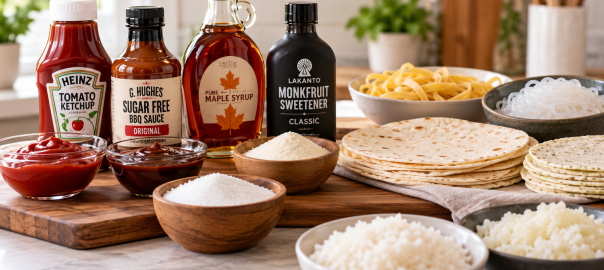
We compared common staples with their low-carb replacements at the same serving. Regular ketchup has 10 g of net carbs per two tablespoons, and Crazy Mooskies has 1 g. Cooked spaghetti has 26 g per 100 g, and nuPasta konjac fettuccine has none. The full chapter covers sauces, syrup, tortillas, pasta, rice and breadcrumbs, plus which swaps to start with.
Low Carb University: Nutrition Labels
Canadian labels can’t show net carbs, so the math falls to you. Our latest chapter covers what’s inside the carbohydrate line, how to calculate net carbs, and how to spot sugar in the ingredient list. It also explains why a keto snack can still carry a “high in saturated fat” symbol. Read on to learn more.
Low Carb University: The Baking Shelf
Low-Carb Pantry University, Chapter Three: the baking shelf. A quarter cup of coconut flour replaces a full cup of wheat flour. One tablespoon of flaxseed meal and three of water makes an egg. Half a teaspoon of xanthan gum thickens a cup of liquid. Every ingredient on that shelf is replacing one specific thing wheat flour and sugar used to do. Our new guide explains which is which.
Low Carb University: 25 Pantry Staples
Twenty-five low-carb staples, sorted by what they actually do. Bread at 1g net carbs a slice. A full plate of pasta for 25 calories. Sauces with the sugar taken out. Protein you can eat straight from the bag. Every entry lists its carb count and how long it keeps once opened. Chapter Two of Low-Carb Pantry University is on the blog now.
Low Carb University: Building Your Pantry
Most first low-carb grocery orders are too big. Three sweeteners, four flours, and a month later half of it is unopened. Our new pantry guide covers what’s actually in each category, which products to start with, and the five items that will carry you through a month of cooking. Sweeteners, flours, bread, pasta, condiments, spreads, chocolate and snacks, all in one place.