
Protein Requirements on Low Carb Diets
How Much Do You Really Need on a Low Carb Diet?

In 2026, the conversation around protein intake continues to dominate health, fitness, and wellness circles, especially for people following low carb diets. Everywhere you look, there’s a new protein fad: high-protein snacks, protein powder blends, protein-fortified bread and even protein baking mixes. But how much protein do you actually need on a low carb diet? And how do you balance that with other nutrients like fibre, healthy fats, vitamins, and minerals?
Below, we’re cutting through the craze with science-based advice, personalised recommendations based on age, activity and health goals, and examples of high-quality low carb protein products available online for ease and convenience.
Let’s get into it.
The Protein Craze
What’s Backed by Science and What’s Just Hype?
Protein is essential. Your body uses it to build and repair tissues, support immune function, make enzymes and hormones, and help regulate metabolism. That’s why high-protein diets often deliver benefits like improved satiety, better blood sugar control, and support for muscle maintenance during weight loss.
However, simply eating more protein does not make you healthier. Like calories and carbohydrates, protein has a range of intake where it is beneficial, and beyond that range, you’re often no better off.
Why Low Carb Diets Amplify Protein Needs
Low carb diets reduce the amount of glucose available to the body. When carbohydrate intake is restricted, your body turns to alternate energy sources: fat and protein. Fat becomes a major fuel (especially on ketogenic diets), and protein may be used for gluconeogenesis (production of glucose from non-carbohydrate sources).
This shift means:
- Many people on low carb diets need more protein than someone eating a mixed diet to maintain muscle mass and metabolic health.
- Protein also helps balance blood sugar by slowing digestion and reducing glucose spikes.
- If your goal is fat loss, protein helps you stay full and preserve lean mass.
- If your goal is muscle gain, adequate protein intake is critical for growth and repair.
How Much Protein Do You Really Need?
There is no one-size-fits-all answer, protein needs depend on age, activity level, body size, and your health or fitness goals. Below is a practical breakdown tailored for low carb lifestyles:
Teens (14–18 Years)
- General growth and activity:0–1.2 g per kg of body weight/day
- Active in sports/strength training: 1.2–1.6 g per kg/day
Reason: Adolescence is a period of rapid growth, so teens need robust protein intake to support muscle and bone development.
Adults (19–50 Years)
- General health & sedentary: ~0.8–1.0 g per kg/day
- Active/strength training:2–1.6 g per kg/day
- Weight loss focus (low-carb):4–1.8 g per kg/day
Low carb diets can increase satiety, so you may naturally feel satisfied with less frequent meals, but ensuring adequate protein helps protect lean muscle.
Older Adults (50+ Years)
- All goals:2–1.8 g per kg/day
Why more? Ageing increases protein requirements because older muscles don’t use protein as efficiently. A slightly higher intake can help prevent muscle loss (sarcopenia).
Athletes & Training Enthusiasts
- Endurance athletes:2–1.4 g per kg/day
- Strength power athletes:6–2.0 g per kg/day
If you’re training intensely, your body needs additional amino acids to repair and build muscle, even on a low carb diet.
Example: A 70 kg active adult on a low carb plan might aim for ~105 g of protein/day. Adjust based on hunger, energy, and performance goals.
Protein Isn’t the Only Hero
Why Other Nutrients Matter
Focusing only on protein, especially in low carb diets, can lead to gaps in fibre, healthy fats, micronutrients, and overall digestive health.
Fibre: Your Digestive Ally
Many low carb diets inadvertently reduce fibre because high-fibre carbohydrates like whole grains are limited. Yet fibre:
- Supports healthy digestion
- Helps control blood sugar
- Feeds beneficial gut bacteria
Products like Ciao Carb High Protein, High Fibre Pasta and Toast contain both protein and fibre, which makes them excellent building blocks in balanced meals.
Additionally, LifeSource Foods Oat Fibre is a great way to add fibre without carbs. Mix it into smoothies or baking.
Healthy Fats
Low carb diets often emphasise fats for fuel (especially ketogenic approaches). Healthy fats from sources like avocados, olive oil, nuts and seeds can:
- Provide sustained energy
- Support brain and hormone health
- Aid nutrient absorption
Balance protein with quality fats rather than relying solely on protein bars or meats.
Micronutrients: Often Overlooked
Vitamins and minerals like B-vitamins, iron, magnesium, and zinc play roles in energy production, metabolic health, and immunity. Lean meats, seafood, leafy greens, and seeds can help cover these needs.
Smart Protein Choices
One of the perks of the low carb lifestyle today is the variety of products designed to help you hit your protein goals without excessive carbs.
Here’s a curated list of high-quality low carb protein products you can find at Low Carb Grocery, perfect for snacks, meals, and baking.
Protein Bars & Snacks — Portable and Convenient
- Atkins Protein Bars – These are classic low carb protein bars that are perfect as a meal replacement or on-the-go snack. Each bar offers 13–17 g of protein, high fibre, and very low net carbs.
- Power Crunch Protein Wafer Bars – A lighter, crunchy option with 12–14 g of whey protein per bar and low sugar.
- Think! Keto Protein Bars – Keto-friendly bars with ~10 g of protein and low carbs, ideal for keeping hunger at bay between meals.
Why These Work:
- Ready-to-eat and easy for busy schedules
- Great way to meet daily protein goals without extra carbs
- Offers variety so you never get bored
Protein-Fortified Pantry Staples
- Golden Home Bakery Ultra Thin High Protein Pizza Crust – Low in carbs but packs ~16 g of protein per crust thanks to soy, wheat, and whey protein isolates.
- This makes whipping up a protein-rich homemade pizza a breeze.
- Ciao Carb High Protein Pastas and Toast – Choose from options that deliver 15–30g of protein per serving and are high in fibre.
Why they’re awesome:
- Easy way to make dinner higher in protein
- Great base for lean protein toppings like chicken or tofu
- Excellent for family meals
Protein Baking Mixes for DIY Meals
- AtLast! ZeroCarb Soy Protein Bake Mix – A versatile zero-carb, high-protein base for pancakes, waffles, cookies, or pie crusts.
- Use it to boost the protein content of your favourite baked goods without adding carbs. Perfect for breakfasts or snacks.
Boosters and Kitchen Staples
- LifeSource Foods Protein Isolates & Oat Fibre – Add these to smoothies or baking to raise protein and fibre in homemade foods.
- Pair these boosts with whole foods like Greek-style yogurt, eggs, or lean meats for balanced meals.
How to Balance Protein with Whole Foods
While specialty low carb products help, whole foods should be the foundation of your nutrition:
Breakfast Ideas
- Eggs + veggies frittata with a side of high-fibre toast like Ciao Carb ProtoToast
- Protein smoothie with oat fibre, a scoop of protein powder, spinach, and chia seeds
- Greek yogurt bowl with nuts and cinnamon
Lunch & Dinner
- Grilled chicken breast with roasted veggies and a Ciao Carb pasta salad
- Salmon fillet with leafy greens and a sliver of Golden Home pizza crust
- Taco bowl with lean ground turkey, avocado, cheese, and low carb crackers
Snacks
- Power Crunch or Atkins protein bars
- Sliced cheese and nuts
- Vegetable sticks with hummus and low carb crackers
Balancing protein with fibre, fats, and colourful veggies helps ensure nutrient diversity, which is essential for health long-term.
How to Personalize Your Protein Needs
Track and Adjust
It’s a good idea to track your intake for a few weeks to see how you feel. Apps or food diaries can help you determine whether you’re meeting your protein target without exceeding your carb limit.
Consider Your Goals
- Weight loss: Lean towards the higher end of protein (1.4–1.8 g/kg/day) to protect muscle and increase satiety.
- Muscle gain: Pair strength training with protein towards the upper end (1.6–2.0 g/kg/day).
- Maintenance: Aim for moderate protein (~1.0–1.4 g/kg/day), balanced with carbs and fats.
Talk to a Professional
If you have specific health conditions (e.g., diabetes, kidney disease) or unique goals, consulting a dietitian can help tailor the best plan for you.
Common Protein Myths Debunked
“More protein means faster fat loss”
Not exactly. You need enough protein to preserve muscle and optimise metabolism, but there’s a limit beyond which extra protein won’t speed anything up and could crowd out other nutrients.
“All protein products are healthy”
Some products may be high in protein but also full of artificial sweeteners, additives, or unhealthy fats. Always check nutrition labels.
“Carbs are bad if you’re low carb”
Not all carbs are created equal. Fibre carbs support digestion and should be included in a balanced low carb diet.
Smart Protein in 2026
As low carb diets evolve, so does the science behind smart protein intake. Gone are the days of blindly chugging protein shakes or relying solely on meats. Modern low carb living is about balance: getting enough protein for your goals, while supporting digestion with fibre, and nourishing your body with healthy fats and micronutrients.
With products like Atkins Protein Bars, Power Crunch, AtLast! ZeroCarb Soy Protein Bake Mix, Golden Home High Protein Pizza Crust, and Ciao Carb High Protein Pasta/Toast, you have practical and delicious tools to help hit your protein targets, all while staying within your carb goals and enjoying everyday meals.
Remember: A protein-rich low carb diet isn’t about extremes, it’s about eating smart, eating well, and fuelling your life in 2026 and beyond.
This article is for educational purposes only and does not replace medical advice. Always consult a healthcare professional before making changes to medication or diet.


Explore Our Popular Shopping Categories

More Low Carb Lifestyle Articles
Low-Carb University: Smart Low-Carb Shopping
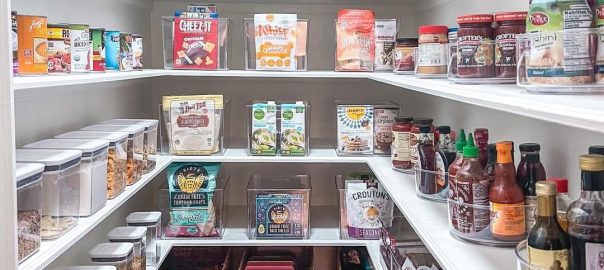
Introducing Low-Carb Pantry University, a new fourteen-part series on our blog. We’re covering the whole pantry. Building your first one, the staples worth owning, baking ingredients and how they behave, reading Canadian labels, smart swaps, budget stocking, storage, quick weeknight meals, and cottage and camping supplies. The series plan is live now, with new chapters to follow.

Chapter One – Building Your Pantry
Most first low-carb grocery orders are too big. Three sweeteners, four flours, and a month later half of it is unopened. Our new pantry guide covers what’s actually in each category, which products to start with, and the five items that will carry you through a month of cooking. Sweeteners, flours, bread, pasta, condiments, spreads, chocolate and snacks, all in one place.
Budget Friendly Snacks
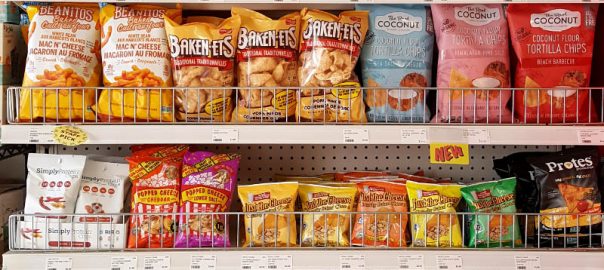
High protein snacking on a budget is more doable than most people think. Quest Protein Chips, Power Crunch Wafers, and Atkins Meal Bars all come in at roughly the same price as a regular convenience store snack, but with 13 to 21 grams of protein and minimal net carbs. Read the full post for the breakdown, including cost per serving and quick pairing ideas for each pick.

High Protein Shake Benefits
Protein shakes can do more than just boost the gym crowd. From breakfast replacements to afternoon snacks and post-workout refuelling, our latest guide breaks down exactly what to drink and when to match your active lifestyle.

Low Carb Diets & Protein
Protein is everywhere in 2026. Bars, bread, pasta, and even pizza. However, more protein doesn’t equal better results. Learn more about how much protein you actually need based on your age and activity levels on a low carb diet.