
Low-Carb University – Chapter One
What to Buy First
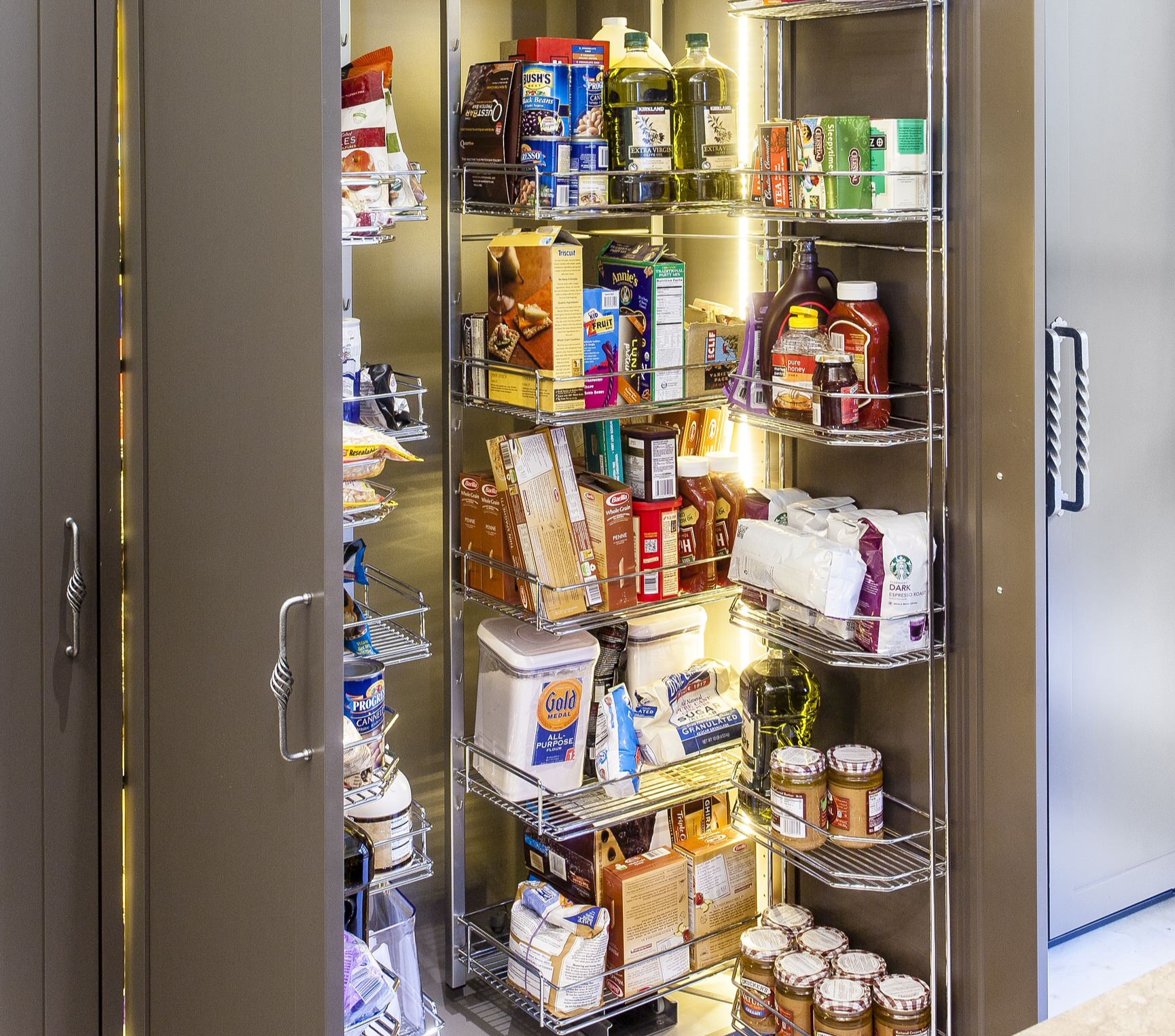
Welcome to Low-Carb Pantry University, a series that works through the low carb pantry one shelf at a time. This first chapter maps out the whole thing before the later chapters go shelf by shelf.
A low-carb pantry is built out of about eight ingredient categories: sweeteners, flours and baking aids, bread, pasta alternatives, condiments, spreads, chocolate and savoury snacks. Most people buy from all eight in their first order, spend three hundred dollars, and discover a month later that they only reach for four or five products.
What follows is an overview of each category, the products worth starting with, and how to store them. Later chapters will go deeper into individual shelves, covering Canadian nutrition labels, the differences between flours and sweeteners, where sugar hides in the sauces aisle, and how to run a pantry so nothing goes to waste. The last section here narrows everything down to five items if you’d rather start small.
Sweeteners
Nearly every granular low-carb sweetener is a blend of erythritol with either monk fruit or stevia. Erythritol provides the bulk, the other two provide the sweetness.

Lakanto Monkfruit Classic is the usual starting point.
It measures 1:1 against sugar, so recipes need no conversion. It comes in a 235g bag and an 800g bag, and the small one is the safer first purchase, because erythritol leaves a cooling sensation on the tongue that some people find distracting and others never notice. A week of daily use will tell you which camp you’re in.
The Golden version is the same product in a brown sugar substitute.
If the cooling effect bothers you, Krisda Stevia Sweetener reads differently on the palate, and Krisda Xylitol is the closest match to sugar with no cooling at all. Xylitol comes with one warning: it is toxic to dogs even in small amounts, so in a house with a dog it belongs sealed and out of reach. Cats are not affected.
For coffee and cold drinks, liquid sucralose like EZ-Sweetz dissolves instantly where granular blends settle at the bottom of the cup.
Sweeteners keep indefinitely as long as they stay dry, since humidity turns erythritol into a solid brick. The full range is worth browsing once you know which base you prefer.
Flours and Baking Aids
Almond flour is the default, at around 3g net carbs per quarter cup, and it substitutes for wheat flour in more recipes than anything else. Buy blanched and extra-fine rather than almond meal, which bakes heavier and grittier. Anthony’s Goods sells it in a 907g bag.
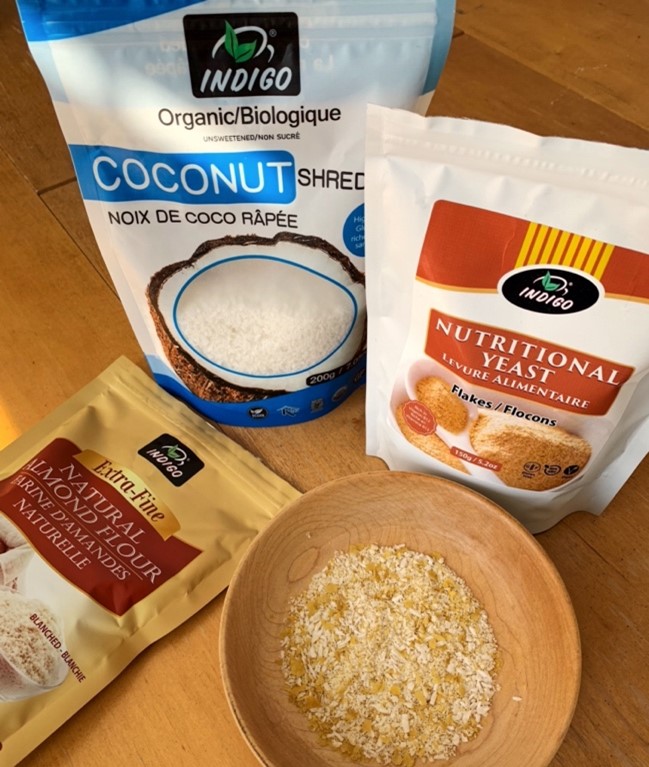
Coconut flour is cheaper but not interchangeable. It soaks up three to four times more liquid, so it takes about a quarter cup of coconut flour to replace a cup of almond flour, plus an extra egg and a splash more liquid. Swapping one for one produces something inedibly dry.
Flaxseed meal binds well at close to zero net carbs. Psyllium husk and oat fibre, both in the baking aids section, are what give homemade low-carb bread structure and chew. Psyllium gels quickly, so it works in teaspoons rather than cups. Vital wheat gluten does the same job for yeast breads, though it is not gluten-free.
Xanthan gum replaces cornstarch in gravies and sauces. A quarter teaspoon thickens a cup of liquid, and much more than that turns a sauce slimy. The konjac glucomannan powder from LC Foods does the same job, and the meal helpers shelf has ready-made sauce starters if you’d rather not measure gums by the quarter teaspoon.
Almond flour and other nut and seed flours go rancid, which ruins whatever you bake with them. Opened bags belong in the fridge, or the freezer for the large size, where they keep six to twelve months. Coconut flour, oat fibre, psyllium and vital wheat gluten all store fine in a cupboard.
Bread, Pitas and Wraps
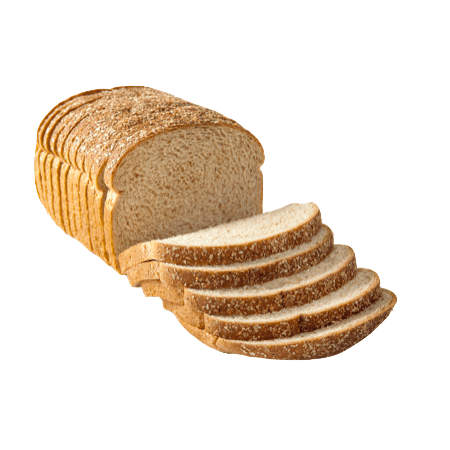
Bread is the category that decides whether most people stay on a low-carb diet because it brings back sandwiches, toast and pizza.
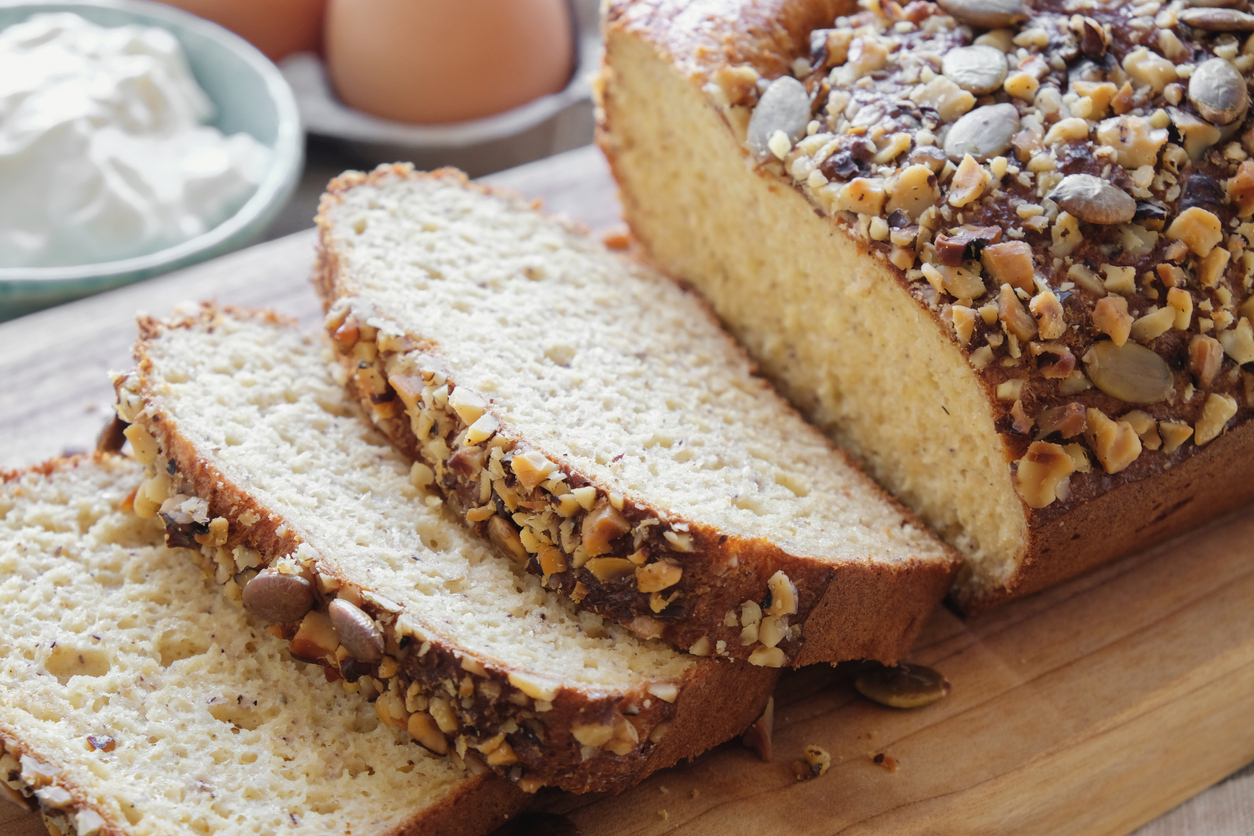
Carbonaut makes gluten-free loaves at about 2g net carbs per slice, in white, seeded and cinnamon raisin, plus a tortilla.
Joseph’s Bakery is the cheaper entry, with flax pitas at about 7g net carbs, mini pitas at 5g and lavash at 6g. Reviewers describe them as soft and pliable, and they toast into a decent pizza base.
These carb counts come from fibre and wheat protein replacing most of the starch, and a high fibre load causes digestive complaints for some people at first. One package is a better first test than three.
Low-carb bread lasts about three weeks at room temperature and three months frozen, so freezing on arrival is the sensible default.
Pasta, Noodles and Rice
Almost everything here is made from konjac, a fibre that carries essentially no digestible carbohydrate.

nuPasta is the Canadian brand and the one worth starting with, sold in single-serving trays at 25 calories each. Preparation makes or breaks it. Rinse the noodles under cold water for a minute or two until the smell is gone, drain them, then dry-fry them in a hot pan until the moisture cooks off. Skip that and you get the slippery, rubbery texture that puts people off konjac permanently.
If you want something closer to real pasta and can spend the carbs, the Italian-style range holds a firmer bite at 4 to 7g net carbs per serving.
Konjac keeps for months unopened and needs no refrigeration, but freezing collapses the texture.
Condiments, Sauces and Dressings
Regular ketchup carries 4 to 5g of sugar per tablespoon and barbecue sauce carries more, so a sauced dinner can add 20g of carbohydrate with no starch on the plate. The ketchup and barbecue shelf and the zero-calorie dressings fix the biggest hidden carb source in most kitchens.

Walden Farms dominates this category, and the barbecue sauces, ketchup and salad dressings are the lines that earn regular use. One sauce is a more sensible test than the variety pack.
Mustard, hot sauce, vinegar and unsweetened mayonnaise are already low-carb and don’t need a specialty version. However, the seasonings in your cupboard are worth a look, since sugar turns up in most commercial rubs.
Nut Butters and Spreads
Natural peanut butter, with nothing in it but peanuts and salt, is already low-carb at roughly 4 to 5g net carbs per two tablespoons. The nut and seed butter shelf is worth browsing for almond and sunflower seed versions and for sugar-free chocolate spreads, which is the one place the specialty product clearly beats the supermarket one.
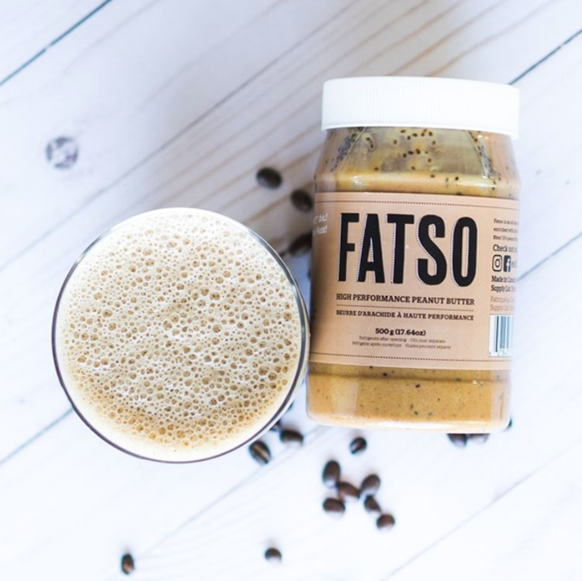
Natural nut butters separate. Stirred back together, the jar keeps best in the fridge.
Chocolate and Sweet Treats
On the chocolate shelf, the sweetener on the ingredient list tells you more than the brand on the front.

Lily’s uses stevia and erythritol, in bars from milk through extra dark and in baking chips. Krisda Chocolatey Chips come in at 2g net carbs per serving and melt properly for baking. ChocoRite and Ross Chocolates fill out the middle of the shelf, though Ross sells both stevia and maltitol versions under the same name, so the label is worth a glance.
Sugar-free chocolate made with maltitol is the exception worth avoiding, since it still raises blood sugar and acts as a laxative at around two servings. Lily’s has a milder version of the same issue, because the chicory root fibre that keeps its carb count down causes bloating in some people, so start with one bar rather than a case.
Chocolate keeps six to twelve months in a cool dark cupboard. The fridge turns the surface pale and chalky.
Savoury Snacks
This category is almost entirely dehydrated cheese, and it’s the most reliable part of the low-carb shelf because the ingredient list is usually just cheese.

Cello Whisps, Parm Crisps, Moon Cheese and the Canadian-made Ivanhoe Nothing But Cheese all deliver crunch at close to zero carbohydrate. Whisps and Parm Crisps double as croutons and as a scoop for dips. For a firmer base, the crackers and chips shelf carries seed crispbreads including the Canadian brand Nud Fud.
All of it is shelf stable, so a bag can sit in a desk drawer indefinitely.
The Five Items to Start With
If the full list is more than you want to commit to, the first order comes down to five things:
- The small bag of Lakanto Classic
- A bag of blanched almond flour, or xanthan gum instead if you don’t bake
- One bread, pita or wrap you’ll eat several times a week
- One package of nuPasta
- One low-carb barbecue sauce or ketchup
Add eggs, cheese, butter, oil and vegetables from a regular grocery run and that covers a month of cooking.
Everything else gets added according to how you already eat. If you bake, coconut flour and psyllium belong in the same first order. If the afternoon is when cravings hit, so do cheese crisps and a bar of chocolate.
What’s worth holding back is quantity rather than category: one product at a time, in the smallest size, until you know which ones you reach for.
Where to Buy Everything on This List
Every product mentioned here is stocked at The Low Carb Grocery, Canada’s largest low carb and keto grocer. You can shop the full catalogue online or browse by brand, and the sale page is worth a look before you check out.
Orders ship Canada-wide, with free shipping on orders over $99 and free local delivery across the GTA on orders over $69. Shoppers in the Greater Toronto Area can also pick up in person at the Markham store, 170 Esna Park Drive, Unit #8. Questions about a product or an order can go to the team toll-free at (888) 484-7479 or through the contact page.


Explore Our Popular Shopping Categories


More Low Carb Lifestyle Articles
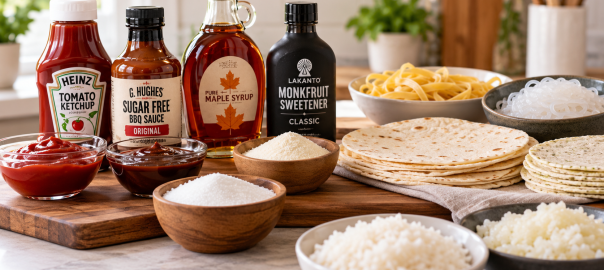
Low Carb University: Everyday Alternatives
We compared common staples with their low-carb replacements at the same serving. Regular ketchup has 10 g of net carbs per two tablespoons, and Crazy Mooskies has 1 g. Cooked spaghetti has 26 g per 100 g, and nuPasta konjac fettuccine has none. The full chapter covers sauces, syrup, tortillas, pasta, rice and breadcrumbs, plus which swaps to start with.

Low Carb University: Nutrition Labels
Canadian labels can’t show net carbs, so the math falls to you. Our latest chapter covers what’s inside the carbohydrate line, how to calculate net carbs, and how to spot sugar in the ingredient list. It also explains why a keto snack can still carry a “high in saturated fat” symbol. Read on to learn more.
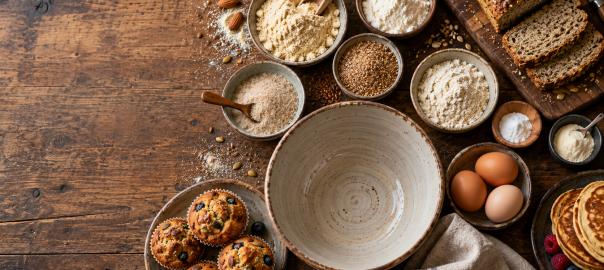
Low Carb University: The Baking Shelf
Low-Carb Pantry University, Chapter Three: the baking shelf. A quarter cup of coconut flour replaces a full cup of wheat flour. One tablespoon of flaxseed meal and three of water makes an egg. Half a teaspoon of xanthan gum thickens a cup of liquid. Every ingredient on that shelf is replacing one specific thing wheat flour and sugar used to do. Our new guide explains which is which.
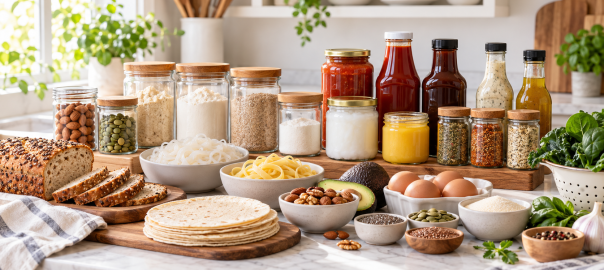
Low Carb University: 25 Pantry Staples
Twenty-five low-carb staples, sorted by what they actually do. Bread at 1g net carbs a slice. A full plate of pasta for 25 calories. Sauces with the sugar taken out. Protein you can eat straight from the bag. Every entry lists its carb count and how long it keeps once opened. Chapter Two of Low-Carb Pantry University is on the blog now.
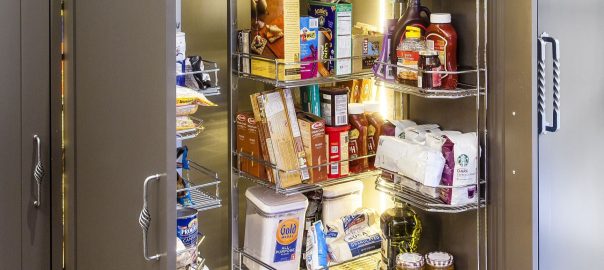
Low Carb University: Building Your Pantry
Most first low-carb grocery orders are too big. Three sweeteners, four flours, and a month later half of it is unopened. Our new pantry guide covers what’s actually in each category, which products to start with, and the five items that will carry you through a month of cooking. Sweeteners, flours, bread, pasta, condiments, spreads, chocolate and snacks, all in one place.