
Protein Shake Products for Active Lifestyles
Fuel Your Body the Low Carb Way

Whether you’re lacing up your running shoes before dawn, squeezing in a lunchtime gym session, or just trying to keep up with a busy schedule, protein shakes and drinks can be a game-changer for your nutrition. They’re fast, convenient, and when chosen wisely, perfectly aligned with a low carb lifestyle. But with so many options on the shelf such as whey protein powders, ready-to-drink shakes, egg protein, and weight-loss formulas, how do you know what to reach for and when?
We’re here to break it all down. From the best type of protein shake for your morning routine to what you should be sipping after a tough workout, this guide will help you make smarter choices and get the most out of every shake.
Why Protein Shakes Deserve a Spot in Your Routine
Protein is the most satiating macronutrient, meaning it keeps you feeling full longer than carbs or fats. For anyone following a low carb diet, that’s a major advantage. When you cut carbs, your body turns to fat and protein for fuel, and having a convenient source of high-quality protein on hand helps you maintain muscle mass, support recovery, and avoid energy crashes throughout the day.
Protein shakes offer a practical solution for hitting your daily protein targets without the carbs, sugar, or calories that come with many whole-food options. They’re also incredibly versatile. You can use them as a quick breakfast, a mid-afternoon snack, or a post-workout recovery drink. The key is knowing which products suit your goals and when to use them.
Understanding Your Protein Shake Options
Not all protein shakes are created equal. Here’s a look at the main categories and what makes each one stand out.
Whey Protein Powder
Whey protein is considered the gold standard for muscle building and recovery. It’s a complete protein, meaning it provides all nine essential amino acids your body needs. Whey is rapidly absorbed, making it ideal for post-workout consumption when your muscles are primed for repair.
Products like Quest Whey Protein Powder offer up to 23g of protein per scoop with minimal carbs. They come in flavours like Vanilla Milkshake, Chocolate Milkshake, Cookies and Cream, and Salted Caramel, so you’ll never get bored. Mix them with water for a quick shake, blend them into smoothies, or even add them to low carb baking recipes for an extra protein boost.
For a zero-carb option, Healthsmart Foods’ AtLast! Zero Carb Whey Protein Shake Mix delivers 26 grams of protein at only 100 calories per scoop with absolutely no sugar. It’s a fantastic choice for anyone tracking their macros closely or following a strict keto diet.
Ready-to-Drink Protein Shakes
Sometimes you just need to grab something and go. That’s where ready-to-drink (RTD) shakes come in. These pre-mixed bottles require zero preparation and are perfect for tossing in your gym bag, keeping at your desk, or stashing in your car for busy days.
Quest Ready-to-Drink Protein Shakes pack 30g of whey protein into each bottle with only 3g net carbs, 1g sugar, and 160 calories. Available in Vanilla, Chocolate, and Salted Caramel, they’re rich, creamy, and satisfying enough to replace a meal when you’re in a pinch.
Atkins Strong High Protein Shakes are another excellent pick, offering 30g of protein with sustained absorption plus up to 23 vitamins and minerals. They also contain 7g of prebiotic fibre, which supports digestive health, something many protein products overlook. Choose from Vanilla, Milk Chocolate, or Chocolate Peanut Butter.
Fairlife Ready-to-Drink Protein Shakes round out the lineup with 30g of high-quality protein from natural whey and casein, only 2g of sugar, and 150 calories. They’re lactose-free, gluten-free, and shelf-stable when unopened, making them incredibly convenient for stocking up.
Weight-Loss Shake Mixes
If your primary goal is shedding pounds while staying on a low carb plan, weight-loss shake mixes are formulated specifically with that in mind. They tend to be lower in calories while still delivering a meaningful dose of protein to preserve muscle mass during a calorie deficit.
ChocoRite Protein Shakes from HealthSmart Foods offer just 2-3g net carbs, 5g fibre, and up to 24g protein per serving, all at only 130-150 calories. With eight delicious flavours including Banana Cream, Cappuccino, Peanut Butter, and Chocolate Fudge Brownie, they make dieting feel a lot less restrictive. The added fibre is a nice bonus for digestive health and satiety.
Egg Protein Powder
For those who are dairy-free or looking for an alternative to whey, egg protein is an excellent choice. Egg white protein is a complete protein source that scores exceptionally well on the PDCAAS (Protein Digestibility Corrected Amino Acid Score), which is the most accurate measurement of a protein’s quality.
Now Foods Egg White Protein Powder provides 16g of protein per serving with just 1g of naturally occurring sugars. It’s unflavoured, making it perfect for adding to smoothies, shakes, or even homemade baked goods without altering the taste. It’s also soy-free, nut-free, corn-free, dairy-free, and gluten-free, so it accommodates a wide range of dietary needs including keto, paleo, kosher, and halal.
When to Drink Your Protein Shake
Timing can make a real difference in how effectively your body uses the protein you consume. Here’s a practical guide to help you get the most out of every sip.
As a Breakfast Replacement
Mornings are hectic. If you’re the type to skip breakfast or grab something carb-heavy on the way out the door, swapping in a protein shake is one of the easiest upgrades you can make. A shake with 20-30g of protein first thing in the morning helps stabilize blood sugar, reduces mid-morning cravings, and provides sustained energy without the crash that comes from toast, cereal, or sugary coffee drinks.
Try blending a scoop of Quest Whey Protein Powder with unsweetened almond milk, a handful of spinach, and a tablespoon of nut butter for a filling, nutrient-dense breakfast that takes under two minutes.
As a Post-Workout Recovery Drink
After exercise, your muscles are in repair mode and need amino acids to rebuild. This is when fast-absorbing whey protein really shines. Consuming a protein shake within 30-60 minutes after your workout helps maximize muscle protein synthesis and speeds up recovery.
A ready-to-drink option like Quest or Atkins Strong shakes is ideal here! Just twist the cap and drink. No blender, no cleanup, no waiting. If you prefer powder, mix a scoop of AtLast! Zero Carb Whey Protein with cold water for a quick, zero-carb recovery shake.
As a Mid-Afternoon Snack
That 2-3 PM energy dip is real, and it often leads to reaching for chips, cookies, or a sugary latte. A protein shake is a much smarter choice. It bridges the gap between lunch and dinner, keeps your blood sugar steady, and helps you avoid impulsive high-carb snacking.
ChocoRite Protein Shakes in flavours like Cappuccino or Caramel Mocha are perfect for this as they satisfy your sweet tooth while delivering protein and fibre without the carbs.
Before Bed
If you’re looking to support overnight muscle recovery, a slower-digesting protein before bed can be beneficial. Casein protein, which is found naturally in products like Fairlife shakes (which contain both whey and casein), digests more slowly and provides a steady stream of amino acids while you sleep.
Tips for Getting the Most Out of Your Shakes
Making protein shakes work for your lifestyle is about more than just picking the right product. Here are some practical tips to level up your shake game.
- Mix up your protein sources. Rotating between whey, egg, and blended protein products gives your body a broader amino acid profile and prevents flavour fatigue.
- Read the label. Not all protein products are created equal. Look for options with low net carbs, minimal sugar, and clean ingredients. Avoid products loaded with artificial fillers or hidden carbohydrates.
- Pair shakes with whole foods. Protein shakes are supplements, not replacements for a balanced diet. Combine them with whole-food meals rich in vegetables, healthy fats, and fibre for the best results.
- Stay hydrated. Higher protein intake requires adequate water to support kidney function and digestion. Keep a water bottle handy throughout the day.
- Keep ready-to-drink options stocked. Having a few RTD shakes in your pantry, fridge, or gym bag means you’ll never be caught without a healthy option when hunger strikes.
Finding the Right Shake for Your Goals
Your ideal shake depends on what you’re trying to achieve. Here’s a quick breakdown to help you choose.
- Building muscle: Prioritize whey protein with 20-30g per serving, consumed after workouts. Quest Whey Protein Powder and Atkins Strong shakes are great picks.
- Losing weight: Choose lower-calorie options with added fibre, like ChocoRite Protein Shakes, and use them to replace a meal or high-carb snack.
- Dairy-free needs: Reach for Now Foods Egg White Protein Powder for a clean, allergen-friendly protein source that works in any recipe.
- On-the-go convenience: Stock up on ready-to-drink options like Fairlife or Quest RTD shakes for no-fuss nutrition wherever life takes you.
Shake Up Your Low Carb Lifestyle
Protein shakes and drinks are one of the simplest, most effective tools for anyone living an active, low carb lifestyle. They help you hit your protein targets, manage hunger, support muscle recovery, and stay on track with your goals… all without the carbs, sugar, or hassle of complicated meal prep.
The Low Carb Grocery offers a wide selection of whey protein powders, ready-to-drink shakes, egg protein, and weight-loss shake mixes from trusted brands, all available online with free shipping across Canada on orders over $99. Whether you’re a dedicated athlete, a weekend warrior, or just someone looking to feel better and eat smarter, there’s a protein shake that fits your lifestyle perfectly.
Browse the full Protein & Shake collection at The Low Carb Grocery and find your new favourite way to fuel up!


Explore Our Popular Shopping Categories

More Low Carb Lifestyle Articles
Low Carb University: Everyday Alternatives
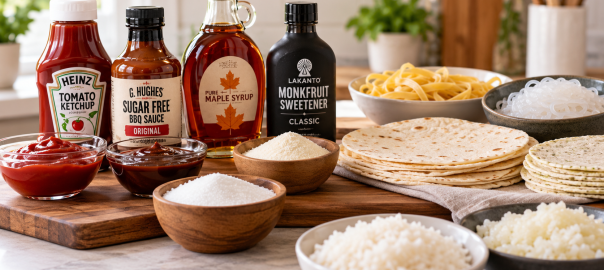
We compared common staples with their low-carb replacements at the same serving. Regular ketchup has 10 g of net carbs per two tablespoons, and Crazy Mooskies has 1 g. Cooked spaghetti has 26 g per 100 g, and nuPasta konjac fettuccine has none. The full chapter covers sauces, syrup, tortillas, pasta, rice and breadcrumbs, plus which swaps to start with.

Low Carb University: Nutrition Labels
Canadian labels can’t show net carbs, so the math falls to you. Our latest chapter covers what’s inside the carbohydrate line, how to calculate net carbs, and how to spot sugar in the ingredient list. It also explains why a keto snack can still carry a “high in saturated fat” symbol. Read on to learn more.

Low Carb University: The Baking Shelf
Low-Carb Pantry University, Chapter Three: the baking shelf. A quarter cup of coconut flour replaces a full cup of wheat flour. One tablespoon of flaxseed meal and three of water makes an egg. Half a teaspoon of xanthan gum thickens a cup of liquid. Every ingredient on that shelf is replacing one specific thing wheat flour and sugar used to do. Our new guide explains which is which.
Low Carb University: 25 Pantry Staples
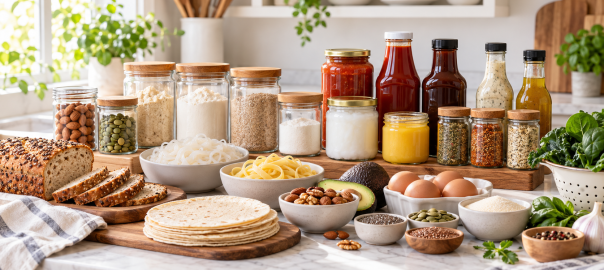
Twenty-five low-carb staples, sorted by what they actually do. Bread at 1g net carbs a slice. A full plate of pasta for 25 calories. Sauces with the sugar taken out. Protein you can eat straight from the bag. Every entry lists its carb count and how long it keeps once opened. Chapter Two of Low-Carb Pantry University is on the blog now.

Low Carb University: Building Your Pantry
Most first low-carb grocery orders are too big. Three sweeteners, four flours, and a month later half of it is unopened. Our new pantry guide covers what’s actually in each category, which products to start with, and the five items that will carry you through a month of cooking. Sweeteners, flours, bread, pasta, condiments, spreads, chocolate and snacks, all in one place.