
Bariatric-Friendly Low Carb Meals
Supporting the Journey
Embarking on a bariatric journey is both exciting and challenging. Whether you’ve recently undergone gastric bypass, sleeve gastrectomy, or another form of weight-loss surgery, your body is adjusting to new eating habits, smaller portions, and a need for highly nutrient-dense foods. One of the most common hurdles after surgery is keeping meals flavourful without adding extra carbohydrates that can slow progress or cause discomfort. Low carb sauces, condiments, and dressings are key tools in creating enjoyable, bariatric-friendly meals.
At Low Carb Grocery, we offer a wide range of products that make it easy to add flavour, variety, and satisfaction to your low carb journey.
Understanding the Bariatric Diet
A bariatric diet is carefully structured to support healing, promote weight loss, and prevent nutritional deficiencies. Immediately after surgery, patients usually follow a liquid or pureed diet before gradually progressing to soft foods and then regular solid foods. Key principles include:
- Small, Frequent Meals – Because your stomach capacity is reduced, eating large meals is no longer feasible. Smaller meals spaced throughout the day help maintain energy levels and prevent nausea or stretching of the stomach pouch.
- High Protein Focus – Protein is essential for tissue healing and maintaining muscle mass. Common bariatric-friendly protein sources include eggs, Greek yogurt, lean meats, tofu, and protein shakes.
- Low Carbohydrates – Limiting carbs helps control blood sugar spikes, prevent dumping syndrome (common after gastric bypass), and supports continued weight loss.
- Nutrient-Dense Foods – Because portion sizes are smaller, every bite counts. Vegetables, low-sugar fruits, high-quality fats, and vitamin-rich condiments ensure your body gets the nutrients it needs.
Staying mindful of these principles while keeping meals flavourful is essential. This is where low carb sauces, condiments, and dressings can make a huge difference.
Why Low Carb Sauces and Condiments Matter
Sauces, condiments, and dressings often carry hidden sugars and excess carbs that can derail progress. For example:
- Traditional ketchup has 4 grams of sugar per tablespoon.
- Sweet barbecue sauce can contain 8–12 grams of sugar per 2 tablespoons.
- Many bottled salad dressings can have 5–7 grams of sugar per serving.
For someone recovering from bariatric surgery, these seemingly small numbers can add up quickly and may cause:
- Dumping syndrome, resulting in nausea, cramps, and diarrhea.
- Blood sugar spikes, particularly in patients with insulin resistance or type 2 diabetes.
- Frustration with the diet, making it harder to adhere to long-term goals.
By choosing low carb alternatives, you can enjoy flavourful meals without the negative side effects, staying on track for sustainable weight loss and improved health.
Featured Low Carb Products at Low Carb Grocery
Low Carb Grocery offers a variety of bariatric-friendly, low carb options. Here’s a closer look at some favourites, along with flavour profiles, pairing tips, and carb comparisons.
Crazy Mooskies Sauces
Crazy Mooskies sauces are no-sugar-added, versatile sauces perfect for marinades, dips, and dressings.
Carb comparison: Traditional BBQ sauce has ~10g carbs per 2 tbsp, while Crazy Mooskies BBQ has just 2g carbs per 2 tbsp.
Pairing tip: Mix a little Crazy Mooskies BBQ sauce into Greek yogurt to make a creamy, protein-packed dipping sauce for chicken tenders or roasted cauliflower.
Bragg’s Organic Apple Cider Vinegar
Bragg’s Organic Apple Cider Vinegar is a low carb pantry staple with a sharp, tangy flavour. Use it to:
- Make vinaigrettes by combining with olive oil, mustard, and herbs.
- Marinate lean meats, tofu, or tempeh.
- Add a splash to sautéed vegetables for brightness.
Pairing tip: Try a simple dressing of Bragg’s Organic Apple Cider Vinegar, olive oil, and a pinch of smoked paprika over a mixed greens salad with grilled chicken. The acidity enhances flavours without adding carbs.
Hughes Sugar-Free Dressings and Ketchup
Hughes offers a range of sugar-free dressings and ketchup that are perfect for those following a bariatric-friendly, low carb diet. These products are designed to provide flavourful options without the added sugars and excess carbohydrates found in traditional condiments.
Product Highlights:
Sugar-Free Dressings: G. Hughes offers a variety of sugar-free dressings, including options like Italian, Ranch, and French. These dressings are crafted to deliver the rich flavours you love without compromising your dietary goals.
Sugar-Free Ketchup: Their sugar-free ketchup provides the classic taste of traditional ketchup, making it an excellent choice for pairing with dishes like grilled meats or roasted vegetables.
Mustard Varieties
Mustard is naturally low carb and adds zing without sugar. Explore options like:
- Dijon
- Spicy Brown
- Honey Mustard (look for sugar-free versions)
Carb comparison: Standard Dijon mustard: <1g per tsp; sweetened honey mustard: 2–3g per tsp.
Pairing tip: Mix Dijon mustard with low-fat Greek yogurt for a tangy, protein-rich spread on turkey wraps or grilled chicken.
Approximate Carb Comparison Table: Traditional vs. Low Carb Options
| Product Type | Traditional Version | Low Carb Version |
| BBQ Sauce | 10g of carbs per 2 tbsp | 2g of carbs per 2 tbsp |
| Salad Dressing | 5g of carbs per 2 tbsp | 1g of carbs per 2 tbsp |
| Ketchup | 4g of carbs per tbsp | 1g of carbs per tbsp |
| Mayonnaise | 1g of carbs per tbsp | 0g of carbs per tbsp |
| Mustard | 0-1g of carbs per tsp | 0g of carbs per tsp |
Creative Pairings and Meal Ideas
Breakfast
- Egg Muffins with Creamy Chipotle Sauce – Bake eggs, spinach, and diced bell peppers in muffin tins, then drizzle lightly with sauce.
- Greek Yogurt with Sugar-Free Ketchup Omelet – Add a dollop of sauce to a veggie omelet for a tangy flavour twist.
Lunch
- Grilled Chicken Salad with Hughes Ranch – Combine grilled chicken, mixed greens, cucumbers, and avocado, then top with Ranch.
- Zoodle Bowl with Bragg’s Organic Apple Cider Vinaigrette – Toss zucchini noodles, cherry tomatoes, and cooked shrimp in a tangy vinaigrette.
Dinner
- Baked Salmon with Orange Ginger Marinade – Top salmon fillets with sauce and serve alongside roasted cauliflower.
- Cauliflower Rice Stir-Fry – Sauté cauliflower rice with peppers, mushrooms, and a drizzle of Walden Farms Creamy Chipotle Sauce.
Snacks
- Celery Sticks with Walden Farms Chipotle Ranch Dressing
- Mini Caprese Skewers with Balsamic Vinegar Drizzle
Simple Low Carb Recipes Using These Sauces
- Smok’N Garlic BBQ Chicken Bites
Ingredients:
- 1 lb chicken breast, cubed
- 2 tbsp Crazy Mooskies Smok’N Garlic BBQ Sauce
- Salt and pepper to taste
Instructions:
- Toss chicken in sauce, salt, and pepper.
- Bake at 375°F for 20 minutes or until cooked through.
- Serve over a bed of sautéed spinach.
Carb count: ~2g per serving
- Zucchini Noodles with Italian Dressing
Ingredients:
- 2 medium zucchinis, spiralized
- 3 tbsp Hughes Italian dressing
- ½ cup cherry tomatoes, halved
Instructions:
- Toss zucchini noodles with dressing and tomatoes.
- Serve chilled or lightly sauté for 3–4 minutes.
Carb count: ~4g per serving
- Balsamic Grilled Veggies
Ingredients:
- 1 cup broccoli florets
- 1 cup sliced bell peppers
- 1 tbsp Bragg’s Organic Apple Cider Vinegar
- 1 tsp olive oil
Instructions:
- Toss vegetables in vinegar and oil.
- Grill or roast at 400°F for 10–12 minutes.
- Optional: drizzle with Crazy Mooskies Tangy BBQ for smoky flavour.
Carb count: ~5g per serving
Tips for Success on Your Bariatric Low Carb Journey
- Measure Everything – Even low carb sauces can add calories and carbs if portions aren’t measured.
- Hydration – Drinking water between meals helps with digestion and prevents dehydration.
- Monitor Sugar Alcohols – Some low carb sauces contain sugar alcohols, which can cause digestive discomfort for bariatric patients. Start slow to assess tolerance.
- Protein First – Make sure protein remains the primary component of your meal, with sauces complementing rather than dominating.
- Experiment with Flavours – Don’t stick to the same sauce every day. Mix and match for variety and to keep meals exciting.
- Keep Healthy Fats – Olive oil, avocado oil, and small amounts of nuts or seeds can add flavour and help with satiety.
Why Low Carb Eating Supports Bariatric Goals
Low carb meals complement bariatric surgery in several ways:
- Weight Loss Support – Limiting carbs helps control calorie intake and supports faster weight loss.
- Blood Sugar Control – Low carb meals prevent spikes in blood glucose and reduce the risk of insulin resistance.
- Improved Satiety – Protein and healthy fats keep you fuller for longer, making portion control easier.
- Preventing Dumping Syndrome – Avoiding high-sugar sauces and condiments reduces gastrointestinal discomfort.
Incorporating low carb sauces, dressings, and condiments ensures meals remain enjoyable, flavourful, and sustainable.
A bariatric-friendly diet doesn’t have to be bland. With the right low carb sauces, condiments, and dressings, you can enjoy meals that are flavourful, satisfying, and supportive of your weight-loss journey. At Low Carb Grocery, you’ll find a wide selection of sauces, dressings, and condiments designed to enhance your meals without adding unnecessary sugars or carbs.
By understanding flavour profiles, exploring new recipes, and monitoring carb intake, you can stay on track while enjoying every bite. From breakfast to dinner and even snacks, low carb options make it possible to savor your meals and continue progressing toward your health goals.
Your bariatric journey is a lifestyle change, and the right tools, like low carb sauces and dressings, can make all the difference in turning meals into something you’ll actually enjoy.

Explore Our Popular Shopping Categories

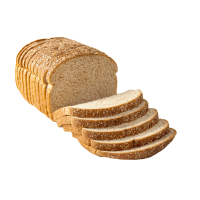
More Low Carb Lifestyle Articles
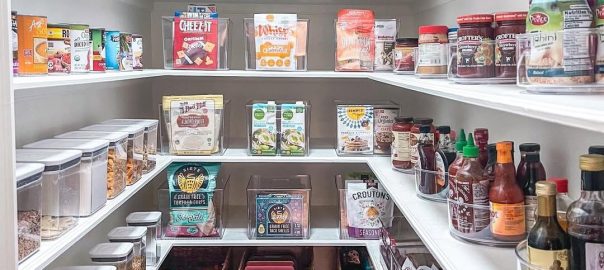
Low-Carb University: Smart Low-Carb Shopping
Introducing Low-Carb Pantry University, a new fourteen-part series on our blog. We’re covering the whole pantry. Building your first one, the staples worth owning, baking ingredients and how they behave, reading Canadian labels, smart swaps, budget stocking, storage, quick weeknight meals, and cottage and camping supplies. The series plan is live now, with new chapters to follow.
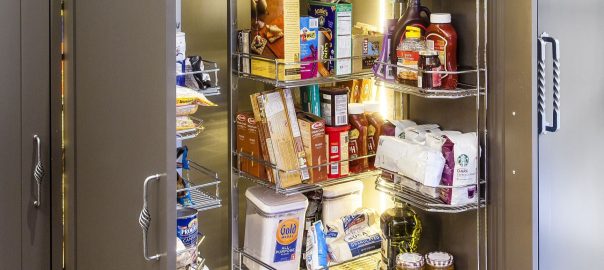
Chapter One – Building Your Pantry
Most first low-carb grocery orders are too big. Three sweeteners, four flours, and a month later half of it is unopened. Our new pantry guide covers what’s actually in each category, which products to start with, and the five items that will carry you through a month of cooking. Sweeteners, flours, bread, pasta, condiments, spreads, chocolate and snacks, all in one place.
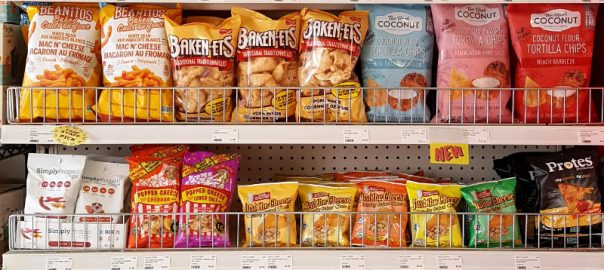
Budget Friendly Snacks
High protein snacking on a budget is more doable than most people think. Quest Protein Chips, Power Crunch Wafers, and Atkins Meal Bars all come in at roughly the same price as a regular convenience store snack, but with 13 to 21 grams of protein and minimal net carbs. Read the full post for the breakdown, including cost per serving and quick pairing ideas for each pick.

High Protein Shake Benefits
Protein shakes can do more than just boost the gym crowd. From breakfast replacements to afternoon snacks and post-workout refuelling, our latest guide breaks down exactly what to drink and when to match your active lifestyle.

Low Carb Diets & Protein
Protein is everywhere in 2026. Bars, bread, pasta, and even pizza. However, more protein doesn’t equal better results. Learn more about how much protein you actually need based on your age and activity levels on a low carb diet.