




Low Carb with GLP-1 Medications
How to Eat if You’re on Ozempic or Similar Weight-Loss Drugs

GLP-1 receptor agonist medications such as Ozempic, Wegovy, Mounjaro, and Zepbound have rapidly changed the landscape of weight loss and metabolic health. By mimicking the hormone glucagon-like peptide-1, these medications reduce appetite, slow digestion, and improve insulin sensitivity. For many people, they finally make sustained weight loss possible after years of struggle.
However, while GLP-1 medications reduce how much you eat, they do not automatically ensure that you are eating well.
In fact, because appetite is suppressed so significantly, many people unintentionally under-consume protein, fibre, and essential micronutrients. Rapid weight loss without proper nutrition can lead to fatigue, muscle loss, nutrient deficiencies, digestive issues, and weight regain once medication use changes.
This is why diet quality becomes even more important when using GLP-1 medications, and why a low carb approach pairs so effectively with these drugs.
A properly structured low carb diet emphasizes protein, nutrient density, blood sugar control, and satiety. When combined with GLP-1 medications, it can help users lose fat while preserving muscle, maintaining energy, and supporting long-term metabolic health.
This guide is designed as a comprehensive educational resource for people using GLP-1 weight-loss medications who want to eat low carb safely, effectively, and sustainably. It is not intended to provide medical advice, and readers should consult a qualified healthcare professional before making changes to medication, diet, or supplementation.
How GLP-1 Medications Work and Why Food Choices Still Matter
GLP-1 medications work by influencing several key systems in the body:
- They slow gastric emptying, meaning food stays in the stomach longer
- They increase feelings of fullness after smaller meals
- They reduce hunger signals in the brain
- They improve insulin sensitivity and blood sugar control
While these effects reduce calorie intake, they also change how the body tolerates food. Many GLP-1 users experience:
- Early fullness after just a few bites
- Nausea if meals are too large or too heavy
- Reduced desire for food overall
- Difficulty eating balanced meals
As a result, every bite matters. When portion sizes shrink, meals must deliver sufficient protein, fibre, and nutrients to protect muscle mass, metabolic health, and overall well-being.
This is where low carb eating becomes especially valuable.
Why Low Carb Diets Support Weight Loss on GLP-1 Medications
Low carb diets are not simply about cutting carbs, they are about prioritizing foods that support stable energy, satiety, and metabolic health.
Blood Sugar Stability
Reducing carbohydrate intake minimizes blood sugar spikes and crashes. For GLP-1 users, this leads to:
- Fewer cravings
- More consistent energy levels
- Better insulin sensitivity
- Reduced inflammation
Stable blood sugar is particularly important for people with insulin resistance, prediabetes, or type 2 diabetes.
Increased Satiety from Smaller Meals
Protein and healthy fats digest more slowly than refined carbohydrates. This means you stay full longer, even with the smaller meal sizes common on GLP-1 medications.
Reduced Cravings and Emotional Eating
Low carb diets help reduce insulin fluctuations that can trigger hunger and cravings, making it easier to follow appetite cues without feeling deprived.
Encourages Fat Loss While Preserving Muscle
When carbohydrate intake is reduced and protein intake is adequate, the body becomes more efficient at burning stored fat while protecting lean muscle tissue, a critical factor for long-term weight maintenance.
Protein: The Most Important Nutrient on GLP-1
One of the most common mistakes people make while taking GLP-1 medications is not eating enough protein.
Because appetite is suppressed, it becomes easy to prioritize “easy” foods or skip meals altogether. Unfortunately, inadequate protein intake increases the risk of muscle loss, weakness, fatigue, and metabolic slowdown.
Why Protein Is Essential
Protein supports:
- Lean muscle mass
- Metabolic rate
- Bone strength
- Immune function
- Hair, skin, and nail health
- Satiety and appetite control
Without enough protein, weight loss may come from muscle rather than fat, increasing the likelihood of weight regain later.
How Much Protein Do You Need?
General guidelines suggest:
- 2–1.6 grams of protein per kilogram of goal body weight
- Roughly 80–120 grams of protein per day for most adults
- Ideally spread across meals (25–35 grams per meal)
For GLP-1 users who feel full quickly, reaching these targets often requires protein-focused foods and convenient options.
Low Carb Grocery Products That Support GLP-1 Nutrition
We offer many products that are especially helpful when appetite is low, but nutrition needs are high.
High-Protein Convenience Foods
These options help ensure adequate protein intake even on low-appetite days:
- Low carb protein bars
- Ready-to-drink protein shakes
- Protein powders
- Beef jerky and meat snacks
- Protein chips
- Low carb granola and cereals
- Nut-based protein bars
These foods work well as small meals, snacks, or supplements to meals.
Low Carb Pantry Staples
Having the right pantry makes it easier to eat well consistently:
- Low carb pasta alternatives
- Low carb wraps and breads
- Sugar-free sauces and condiments
- Almond flour and coconut flour
- Keto baking mixes
- Sugar-free sweeteners
These products allow for familiar meals in smaller, nutrient-dense portions.
Snacks That Support Satiety
Small, protein-rich snacks are ideal on GLP-1 medications:
These help prevent under-eating while avoiding blood sugar spikes.
Nutrition Considerations Unique to GLP-1 Users
Eat Smaller, More Frequent Meals
Large meals can worsen nausea or discomfort due to slowed digestion. Many people do best with:
- 3 small meals per day
- 1–2 protein-focused snacks
Hydration is Essential
GLP-1 medications can blunt thirst signals. Dehydration may worsen:
- Fatigue
- Headaches
- Constipation
- Dizziness
Aim for 2–3 litres of fluids daily, including water, herbal teas, and electrolyte beverages.
Fibre Matters, But Increase Gradually
Constipation is a common side effect of GLP-1 medications. Low carb fibre sources include:
- Chia seeds
- Flaxseed
- Psyllium husk
- Avocado
- Non-starchy vegetables
Increase fibre slowly to avoid bloating or discomfort.
Micronutrient Awareness
Smaller meals can lead to deficiencies. Prioritize foods rich in:
- Magnesium
- Potassium
- Iron
- Calcium
- B-vitamins
- Vitamin D
Some individuals may benefit from supplementation under healthcare supervision.
Sample Low Carb Day on GLP-1
Breakfast
- Protein shake or eggs with spinach and cheese
Lunch
- Chicken salad in a low carb wrap
Snack
- Protein bar or cheese crisps
Dinner
- Salmon with roasted broccoli and olive oil
Optional Snack
- Low carb pudding or nut butter
GLP-1 Friendly Low Carb Recipes
High-Protein Cottage Cheese Scramble
Ingredients:
- Eggs, cottage cheese, spinach, olive oil
- This dish is high in protein, gentle on digestion, and easy to portion.
Low Carb Taco Bowl
Ingredients:
- Ground beef, lettuce, cheese, avocado, low carb seasoning
- Easy to customize and nutrient dense.
No Bake Chocolate Protein Cups
Ingredients:
- ½ cup almond flour
- ½ cup protein powder (chocolate or vanilla both work)
- ⅓–½ cup peanut butter (natural, smooth is easiest)
- Sugar-free chocolate (chips or bar, for melting)
Instructions:
- Mix almond flour and protein powder in a bowl.
- Stir in peanut butter until a thick dough forms.
- Press mixture into mini muffin cups.
- Melt sugar-free chocolate.
- Spoon chocolate over each cup.
- Chill 20–30 minutes until set.
- Store in the fridge or freezer. Ideal for small appetite, high-protein days.
Exercise and Muscle Preservation While on GLP-1
Nutrition works best when paired with movement. To preserve muscle mass:
- Strength train 2–3 times per week
- Walk daily
- Focus on resistance exercises
- Allow adequate recovery
Muscle preservation supports metabolism, functional strength, and long-term success.
Long-Term Success Tips for GLP-1 Users
- Eat protein first at meals
- Keep low carb snacks available
- Track protein intake initially
- Hydrate intentionally
- Strength train regularly
- Avoid ultra-processed foods
- Build habits you can maintain after medication
We provide products that make these habits easier and more sustainable. Even better? We offer free shipping Canada-wide over $99.
Common Mistakes to Avoid When Eating Low Carb on GLP-1 Medications
While GLP-1 medications and a low carb diet can be an extremely effective combination, there are several common pitfalls that can slow progress or negatively impact health if not addressed.
- Undereating Protein
Because appetite is significantly reduced, many people assume they are “eating enough” when they are not meeting protein needs. Consistently low protein intake increases the risk of muscle loss, weakness, hair thinning, and metabolic slowdown. Prioritizing protein at every meal, even in small portions, is essential for preserving lean mass and maintaining long-term weight loss.
- Skipping Meals Entirely
It can be tempting to skip meals when hunger is low, but doing so regularly may worsen fatigue, dizziness, and nutrient deficiencies. Even if you’re not hungry, a small protein-forward meal or snack can help stabilize blood sugar and support muscle maintenance.
- Relying Too Heavily on Ultra-Processed “Diet” Foods
Not all low carb foods are created equal. Some ultra-processed low carb products may be low in net carbs but offer little nutritional value. Focus on whole-food-based options when possible, and use packaged low carb products as tools for convenience, not replacements for balanced meals.
- Neglecting Hydration and Electrolytes
Dehydration is a common issue on GLP-1 medications, especially when combined with low carb eating. Low insulin levels can increase electrolyte loss, leading to headaches, fatigue, and muscle cramps. Adequate fluids and electrolyte intake help prevent these symptoms and support overall well-being.
- Ignoring Strength Training
Weight loss without resistance exercise increases the likelihood of muscle loss. Even light strength training a few times per week can significantly improve body composition, energy levels, and long-term weight maintenance.
Why a Thoughtful Low Carb Strategy Matters
GLP-1 medications are powerful tools, but they work best when paired with intentional nutrition and lifestyle habits. A thoughtful low carb approach ensures that weight loss comes primarily from fat, not muscle, while supporting energy, digestion, and metabolic health.
With the right balance of protein, fibre, hydration, movement, and supportive low carb products, GLP-1 users can build habits that last well beyond medication use.
Turning GLP-1 Into a Sustainable Lifestyle Tool
GLP-1 medications can be life-changing, but they are most effective when paired with intentional nutrition.
A low carb diet supports:
- Fat loss
- Blood sugar control
- Muscle preservation
- Improved satiety
- Reduced cravings
- Long-term weight maintenance
By focusing on protein, nutrient density, hydration, and supportive low carb products, GLP-1 users can transform short-term weight loss into lasting health.
We offers the tools to make this approach practical, enjoyable, and sustainable.
This article is for educational purposes only and does not replace medical advice. Always consult a healthcare professional before making changes to medication or diet.


Explore Our Popular Shopping Categories


More Low Carb Lifestyle Articles
Low Carb University: Everyday Alternatives
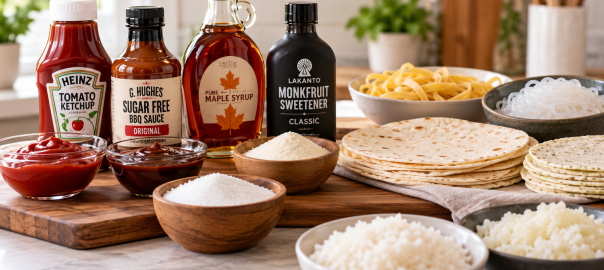
We compared common staples with their low-carb replacements at the same serving. Regular ketchup has 10 g of net carbs per two tablespoons, and Crazy Mooskies has 1 g. Cooked spaghetti has 26 g per 100 g, and nuPasta konjac fettuccine has none. The full chapter covers sauces, syrup, tortillas, pasta, rice and breadcrumbs, plus which swaps to start with.
Low Carb University: Nutrition Labels
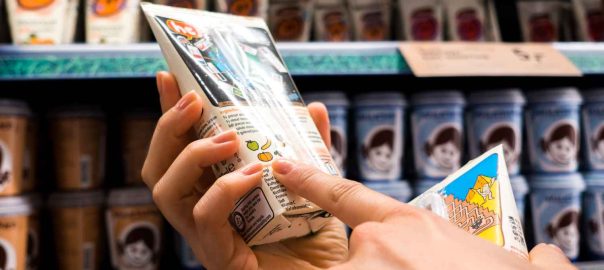
Canadian labels can’t show net carbs, so the math falls to you. Our latest chapter covers what’s inside the carbohydrate line, how to calculate net carbs, and how to spot sugar in the ingredient list. It also explains why a keto snack can still carry a “high in saturated fat” symbol. Read on to learn more.
Low Carb University: The Baking Shelf
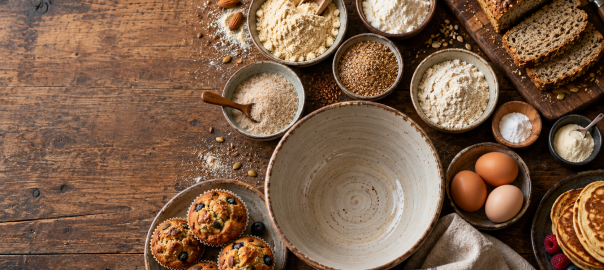
Low-Carb Pantry University, Chapter Three: the baking shelf. A quarter cup of coconut flour replaces a full cup of wheat flour. One tablespoon of flaxseed meal and three of water makes an egg. Half a teaspoon of xanthan gum thickens a cup of liquid. Every ingredient on that shelf is replacing one specific thing wheat flour and sugar used to do. Our new guide explains which is which.
Low Carb University: 25 Pantry Staples
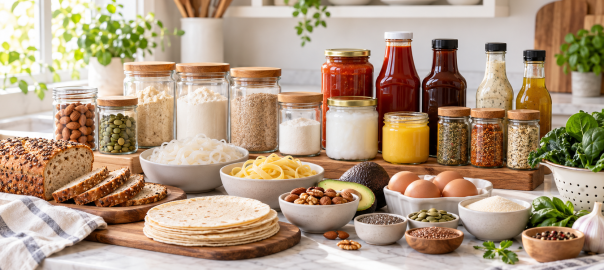
Twenty-five low-carb staples, sorted by what they actually do. Bread at 1g net carbs a slice. A full plate of pasta for 25 calories. Sauces with the sugar taken out. Protein you can eat straight from the bag. Every entry lists its carb count and how long it keeps once opened. Chapter Two of Low-Carb Pantry University is on the blog now.
Low Carb University: Building Your Pantry
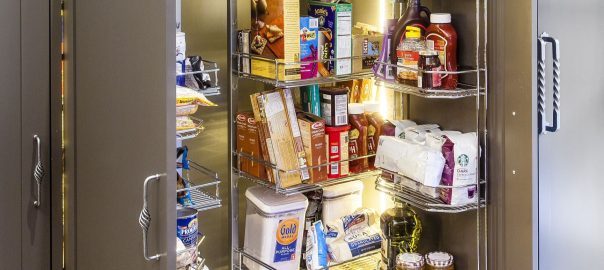
Most first low-carb grocery orders are too big. Three sweeteners, four flours, and a month later half of it is unopened. Our new pantry guide covers what’s actually in each category, which products to start with, and the five items that will carry you through a month of cooking. Sweeteners, flours, bread, pasta, condiments, spreads, chocolate and snacks, all in one place.
RECENT POSTS
Popular Categories


© 2026 Low Carb Grocery. All Rights Reserved.