




Reviewing Top Sugar-Free Sweeteners
Stevia vs. Monk Fruit vs. Erythritol vs. Allulose in 2026
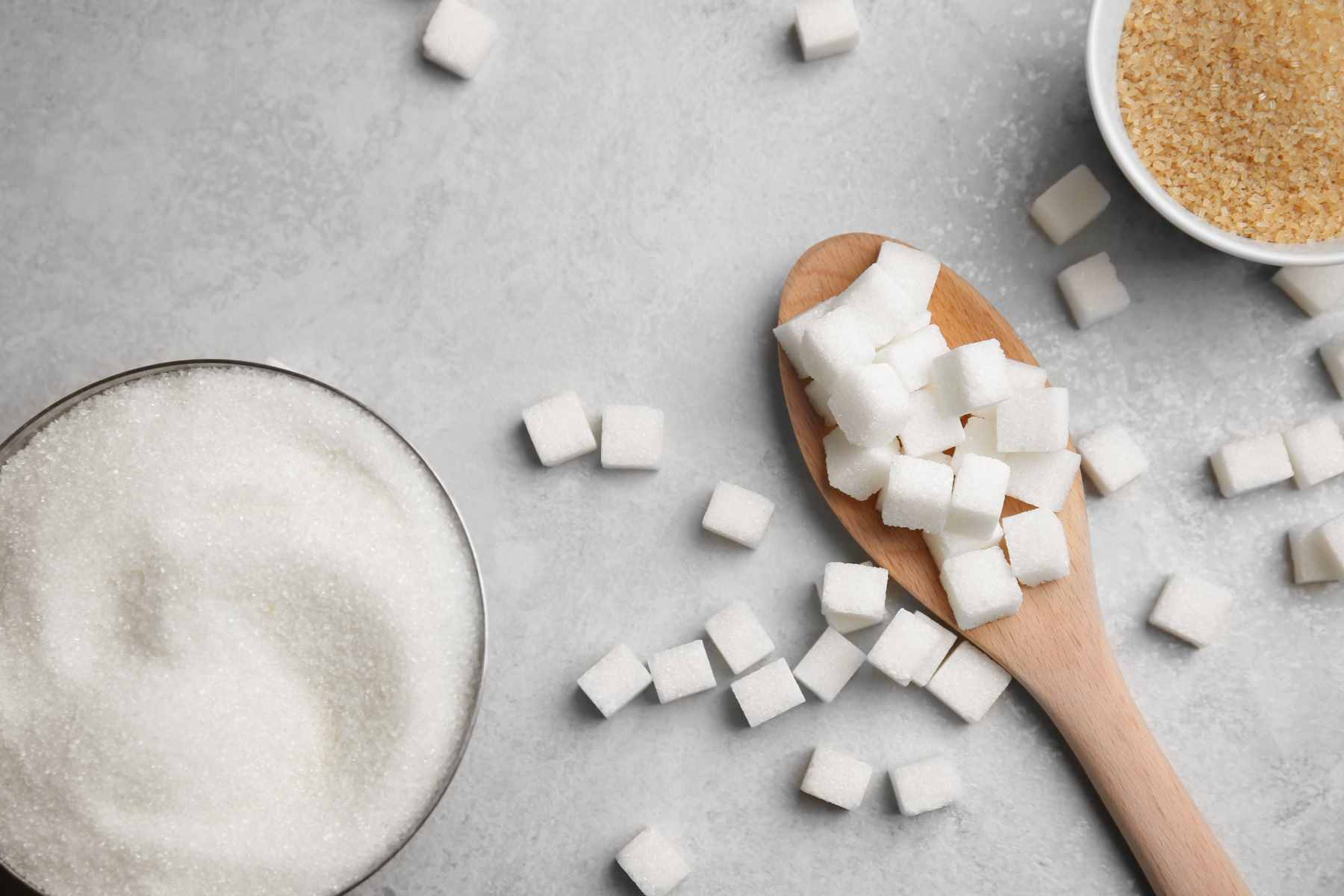
There are more sugar-free sweeteners on Canadian shelves than ever, and while their purpose as food and drink sweeteners are the same they don’t all work the same way. Stevia, monk fruit, erythritol, and allulose are the four types you’ll run into most often.
All of them sweeten without sugar but they taste different and bake different. They all also have their own unique properties that might otherwise influence how to best utilize them. Thankfully, none of them affect blood glucose any worse than regular sugar, but it can’t be said there’s zero effect across the board.
In this article we hope to provide a plain guide to how each one works, how it tastes, how it performs in the oven, and which products on our shelves use it.
A quick note before we start: this article is reviewed for accuracy, but it is not medical advice. If you manage diabetes or another health condition we always recommend talking to your doctor or dietitian before making changes.
Stevia
Stevia comes from the leaves of the Stevia rebaudiana plant, native to South America. Its sweetness comes from compounds called steviol glycosides. Your body does not metabolize these glycosides, so stevia has no calories and a glycemic index of zero. It does not raise blood sugar.
What to know:
- Sweetness: Stevia is very concentrated, around 200 to 350 times sweeter than sugar!
- Taste: This depends. “Older” stevia can leave a licorice-like and slightly bitter aftertaste, while “newer” extracts taste cleaner and closer to sugar.
- Baking: Stevia is heat-stable and holds up in the oven but it can’t perform the same role as sugar on its own. Sugar adds volume and structure that a pinch of stevia cannot, which is why most baking stevia is blended with erythritol so it works more like sugar.
The gap between older and newer stevia is worth understanding, because it explains why two stevia products can taste so different.
The sweetness in the leaf comes from several compounds, and Reb A is the most plentiful and the cheapest to isolate, so it became the basis for the first wave of products. It is also the compound most responsible for the bitter, licorice-like finish people complain about. Two other compounds, Reb D and Reb M, occur in much smaller amounts in the leaf and taste noticeably rounder and closer to sugar, which is why newer premium stevia is built around them.
You can usually tell which kind you are holding by reading the ingredient list.
Products that just say stevia leaf extract, or single out Reb A, tend to be the older style. Cleaner-tasting options name Reb M or Reb D directly, advertise no bitter aftertaste, or pair the stevia with erythritol or monk fruit to round off the edges. If stevia put you off when it was fresh on the market all those years ago, a current blend is worth another try.
On our shelves,Krisda Stevia Sweetener is made with stevia leaf extract and erythritol. For stevia baked into a treat,Krisda Semi-Sweet Chocolatey Chips are sweetened with stevia and work well folded into cookies.
Monk fruit
Monk fruit is also called luo han guo, and it is a small melon grown in parts of East Asia. Its sweetness comes from antioxidants called mogrosides, mainly mogroside V, which are extracted from the fruit with water. Like stevia, monk fruit has no calories and a glycemic index of zero, so it will not spike your blood sugar.
- Sweetness: Pure monk fruit extract is around 150 to 250 times sweeter than sugar but this depends on its mogroside V content.
- Taste: Most people find it cleaner than old-style stevia, with little or no bitterness and sometimes a faint fruity note.
- Baking: Monk fruit is heat-stable and keeps its sweetness through normal baking and boiling temperatures. However, much like stevia, it lacks the bulk needed to be a 1:1 sugar substitute on its own. As a result it’s often also mixed with erythritol.
We carry monk fruit in a few forms.
Lakanto Monkfruit Sweetener with Erythritol measures cup for cup like sugar and is a good all-purpose baking option.SweetMonk Pure Monk Fruit Liquid Sweetener suits coffee, tea, and smoothies, where four to six drops replace a teaspoon of sugar.
If you want a spoonable option with no sugar alcohols such as erythritol,Dixie Diner Spoonable Monk Fruit uses vegetable fibre as its carrier.
Erythritol
Erythritol is a sugar alcohol, or polyol. It is made by fermenting glucose from corn and it occurs naturally in small amounts in fruits like grapes and pears and in fermented foods. Most of the erythritol you eat is absorbed and passed out in urine without being used for energy, so it sits at about 0.2 calories per gram with a glycemic index of zero.
- Sweetness: Erythritol is about 60 to 70 percent as sweet as sugar, so you may need a little more to match what you are used to.
- Taste: It is clean and sugar-like, but has the unique effect of drawing in heat as it dissolves. This manifests as a cooling effect on the tongue, a bit like mint. Blending it with monk fruit or stevia reduces that effect.
- Baking: Erythritol works best among the other options in baking. It browns and caramelizes similarly to sugar and it adds the structure baked goods need. It can crystallize and turn slightly gritty as things cool, especially in frostings, so grinding it to a powder or using a blend helps.
We stock a lot of erythritol!
Swerve Natural Sugar Replacement comes in granular, brown, and icing-sugar versions that measure one to one with sugar without the laxative effect some other polyols carry. For pure crystals, there isKrisda Organic Erythritol orSweet and Friendly Pure Erythritol. When a recipe calls for brown sugar,Sukrin Gold is an erythritol-based stand-in.
One note on safety: a 2023 Cleveland Clinic study linked higher blood levels of erythritol to cardiovascular events and a follow-up looked at markers of blood clotting. Fortunately, these findings weren’t quite one-to-one with normal usage as they used very high single doses of 30g, an amount that we typically don’t use at home, so despite these observational findings health authorities in the US and Canada still consider erythritol safe to use. Longer term studies have been called for so that hopefully we’ll know more in the future, but for now, keep portions sensible and if you have any concerns you should always speak with your doctor.
Allulose
Allulose is a rare sugar found naturally in figs, raisins, and maple syrup, and made commercially by converting fructose from corn. It tastes and behaves much like sugar, but your body barely metabolizes it, so it carries only about 0.4 calories per gram and has little effect on blood glucose or insulin.
- Sweetness: About 70 percent as sweet as sugar.
- Taste: Clean, with no cooling effect and no bitter aftertaste.
- Baking: Allulose caramelizes well, dissolves smoothly, and holds moisture, so it suits soft cookies, caramel sauces, syrups, and ice cream that does not freeze rock hard. It browns quickly, so lower your oven temperature slightly and watch it.
There is an unfortunate catch for Canadian shoppers. In Canada, allulose is still classified as a novel food and is not yet on Health Canada’s list of permitted sweeteners, so you will see far less of it here than in the United States, and stock comes and goes. For everyday Canadian baking, an erythritol or monk fruit blend gives you the closest behaviour you can reliably buy today and you can compare what is currently in stock in ourUnflavoured Sweeteners selection.
Choosing between them
There is no single best choice, and most low carb kitchens end up with two or three on hand. The right one depends less on the sweetener itself and more on what you are making and how your body reacts.

Start with taste since that is what most people notice first.
If you have tried stevia in the past and disliked the bitter finish, monk fruit or allulose will likely suit you better, and a modern stevia blend built on Reb D or M is worth a second try.
Erythritol tastes clean but has that faint cooling effect, which is barely noticeable in a warm muffin and more obvious in a no-bake frosting or a chilled drink.
Blends exist partly to cancel out each other’s weak spots, which is why so many of the products above pair monk fruit or stevia with erythritol.
What you are cooking matters just as much:
- Coffee, tea, and cold drinks: Liquid monk fruit or stevia drops dissolve instantly and add no texture. There is nothing to stir until it disappears and no cooling effect to manage.
- Everyday baking: An erythritol blend that measures one to one with sugar is the simplest option. It gives you the bulk and chemistry that cakes, cookies, and quick breads rely on without rewriting the recipe.
- Caramel, syrups, and soft or chewy bakes: Allulose holds moisture and caramelizes without crystallizing, so it stays soft where erythritol and erythritol blends can firm up and turn gritty. This makes allulose the easiest to use but it definitely isn’t the easiest to find. Using powdered over granulated erythritol and other ingredients in the right recipe can help keep your caramel smoother for longer.
- Frozen desserts: Allulose keeps ice cream scoopable straight from the freezer, while erythritol and blends containing erythritol tend to set hard. Usually, sugar is necessary for ice cream to maintain the correct consistency in the freezer, but there are recipes designed for liquid or powder monkfruit with alcohol or glycerin that work quite well.
Digestion is an often overlooked aspect of which sweetener to settle on, and you can’t know how your body reacts to each option until you try it.
Erythritol is the gentlest of the sugar alcohols for most people but large amounts can still cause bloating or discomfort. Stevia and monk fruit are not polyols at all, so if sugar alcohols bother you, a pure or fibre-based monk fruit likeDixie Diner Spoonable Monk Fruit is a safer bet. Allulose is well tolerated in normal amounts but can cause similar issues if you go heavy on it.
The sensible approach is to start small, see how a sweetener sits with you, and adjust from there.
For blood sugar, all four sit at or near zero on the glycemic index, so any of them is a reasonable swap for table sugar. The differences come down to taste, texture, how they behave in the oven, and how your stomach handles them.
The bottom line
A practical way to settle it is to keep two on hand, such as an erythritol blend for baking and a liquid monk fruit or stevia for drinks. That pairing covers nearly everything a low carb kitchen runs into, and you can add allulose when you find it if you want softer cookies or smoother ice cream.
If you’re not sure where to begin, our sweetener selection is organized so you can compare blends side by side, and our team is happy to point you toward the right one for what you are making.


Explore Our Popular Shopping Categories

More Low Carb Lifestyle Articles
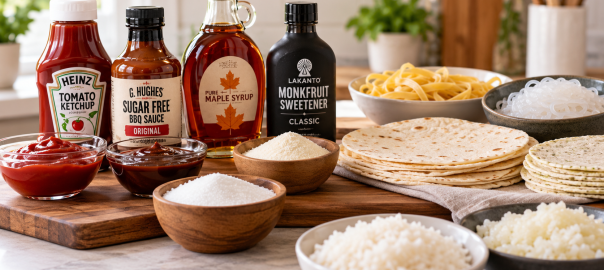
Low Carb University: Everyday Alternatives
We compared common staples with their low-carb replacements at the same serving. Regular ketchup has 10 g of net carbs per two tablespoons, and Crazy Mooskies has 1 g. Cooked spaghetti has 26 g per 100 g, and nuPasta konjac fettuccine has none. The full chapter covers sauces, syrup, tortillas, pasta, rice and breadcrumbs, plus which swaps to start with.
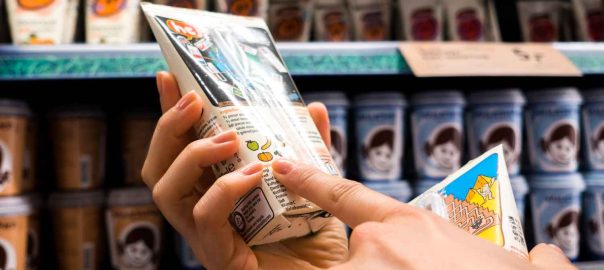
Low Carb University: Nutrition Labels
Canadian labels can’t show net carbs, so the math falls to you. Our latest chapter covers what’s inside the carbohydrate line, how to calculate net carbs, and how to spot sugar in the ingredient list. It also explains why a keto snack can still carry a “high in saturated fat” symbol. Read on to learn more.
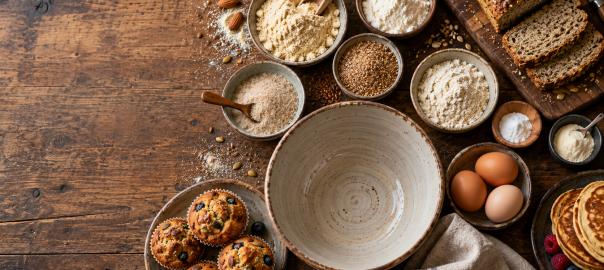
Low Carb University: The Baking Shelf
Low-Carb Pantry University, Chapter Three: the baking shelf. A quarter cup of coconut flour replaces a full cup of wheat flour. One tablespoon of flaxseed meal and three of water makes an egg. Half a teaspoon of xanthan gum thickens a cup of liquid. Every ingredient on that shelf is replacing one specific thing wheat flour and sugar used to do. Our new guide explains which is which.
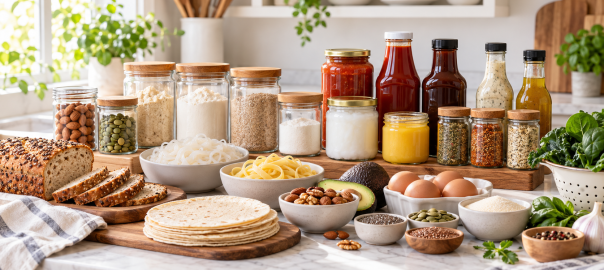
Low Carb University: 25 Pantry Staples
Twenty-five low-carb staples, sorted by what they actually do. Bread at 1g net carbs a slice. A full plate of pasta for 25 calories. Sauces with the sugar taken out. Protein you can eat straight from the bag. Every entry lists its carb count and how long it keeps once opened. Chapter Two of Low-Carb Pantry University is on the blog now.

Low Carb University: Building Your Pantry
Most first low-carb grocery orders are too big. Three sweeteners, four flours, and a month later half of it is unopened. Our new pantry guide covers what’s actually in each category, which products to start with, and the five items that will carry you through a month of cooking. Sweeteners, flours, bread, pasta, condiments, spreads, chocolate and snacks, all in one place.
RECENT POSTS
Popular Categories
© 2026 Low Carb Grocery. All Rights Reserved.